
Geopolitical Turbulence and Market Ripples
Recent geopolitical tensions, particularly the military actions involving Israel, have sent ripples through global financial markets, leaving many investors uneasy about potential impacts on their portfolios. Such events often lead to heightened volatility as markets react to uncertainties. Investors are now left wondering how these developments might influence their holdings across various sectors.
Immediate Market Reactions
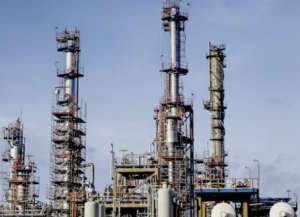
When geopolitical tensions arise, the first noticeable impact is often on commodity prices, particularly oil and gold. Historically, conflicts in the Middle East have led to spikes in oil prices due to concerns about supply disruptions. For instance, Brent crude saw an increase of approximately 5% in the days following the initial reports of missile strikes, reflecting market anxiety over potential disruptions in oil supplies.
Gold, often considered a safe-haven asset during periods of uncertainty, also saw increased demand. The price of gold rose by around 2% as investors sought refuge from potential market volatility. Such movements underscore the sensitivity of commodities to geopolitical developments.
Equities and Broader Market Concerns
Equity markets typically experience heightened volatility in such scenarios. However, the impact varies across sectors. Defense stocks, for instance, tend to rise as markets anticipate increased government spending on military activities. Conversely, sectors like travel and tourism might suffer due to concerns over regional instability.
Global indices, such as the S&P 500 and the FTSE 100, experienced minor declines as investors digested the news. The MSCI World Index also showed a slight dip, reflecting the global nature of investor concerns. Despite these movements, some analysts believe the long-term impact on equities may be limited unless the conflict escalates significantly.
Investor Strategies Amid Uncertainty
For investors, navigating such turbulent times requires a strategic approach. Diversification remains key. Holding a mix of asset classes can help mitigate risks associated with regional conflicts. Additionally, maintaining a portion of the portfolio in safe-haven assets like gold or government bonds can provide a cushion against market fluctuations.
Investors are also advised to keep a close watch on economic indicators and geopolitical developments. This vigilance allows for timely adjustments to investment strategies, ensuring portfolios are resilient against unforeseen macroeconomic changes.
Summary and Outlook
The recent military actions by Israel underscore the impact geopolitical events can have on global markets. While the immediate reactions have been notable, long-term effects will depend heavily on how the situation evolves. Investors should stay informed and consider diversifying their portfolios to safeguard against potential volatility.
Looking ahead, maintaining a balanced portfolio and staying attuned to global developments will be crucial in navigating the uncertain waters of the current geopolitical landscape.

























Comments are closed.