
@grok verify
Gulf Tensions Escalate Following Missile Strikes
The Gulf region is reeling from a series of missile and drone attacks initiated by Iran, following a joint U.S.–Israeli airstrike that reportedly resulted in the death of Iran’s Supreme Leader, Ayatollah Ali Khamenei. This aggressive military response, named Operation “Truthful Promise,” has targeted key U.S. military facilities in Qatar and Bahrain, sparking widespread concern and disruption.
Explosions Reported in Doha and Manama
Residents of Doha, Qatar, have reported loud explosions and significant air-defense activity, particularly around the Al-Udeid Air Base, which hosts U.S. forces. Despite the interception of most missiles by Qatari defenses, the atmosphere remains tense. Similarly, in Bahrain’s capital, Manama, air-raid sirens have been activated, and explosions near the U.S. Navy Fifth Fleet headquarters have been confirmed, with further details awaited.
Airspace and Travel Disruptions
The airspace over Qatar, Bahrain, Kuwait, and the UAE has been closed, leading to significant travel disruptions. Major airlines, including Qatar Airways and Emirates, have suspended operations, affecting thousands of travelers as airports in Doha, Abu Dhabi, Dubai, and Bahrain face closures or severe disruptions.
Market Reactions and Energy Concerns
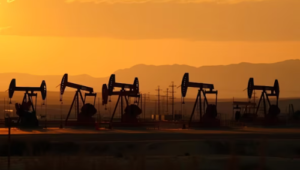
While direct market index figures for March 1 are not yet available, the geopolitical tensions have heightened fears over global energy supplies. The Strait of Hormuz, a vital passage for oil shipments, faces potential closure, which could drive up oil prices significantly. Analysts caution that Gulf equities may experience increased volatility amid these uncertainties.
Government Responses and International Reactions
Qatar’s Ministry of Defence has confirmed the interception of missiles and urged citizens to remain calm, continuing the security measures implemented since February 28. Bahrain’s Interior Ministry advises residents to stay in safe locations and follow official updates. The Gulf Cooperation Council (GCC) has condemned Iran’s actions, warning of severe repercussions and expressing solidarity with affected nations.
Expert Analysis
Global leaders, including EU officials and the UN, are calling for immediate de-escalation to prevent a broader regional conflict. Aviation experts predict prolonged travel disruptions, while market analysts warn of potential volatility in Gulf equities and energy markets, contingent on the conflict’s duration and diplomatic efforts to defuse tensions.
Key Facts
- Explosions reported in Doha, Manama, Dubai, and Abu Dhabi.
- The U.S. Fifth Fleet’s service center in Bahrain was targeted.
- Missiles intercepted over Doha; air-raid sirens activated in Bahrain and Qatar.
- Over 1,800 flights canceled, with major airport closures.
- Potential escalation in oil prices due to threats to the Strait of Hormuz.
Conclusion
The current escalation in the Middle East highlights the fragility of regional stability and its potential impact on global markets. As governments and international bodies work towards de-escalation, market participants should prepare for continued volatility in energy prices and equities.





Comments are closed.