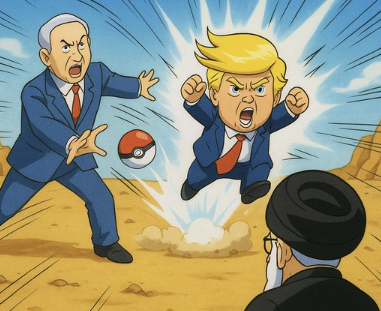
Geopolitical Tensions Escalate in the Middle East
In a fresh wave of escalating tensions in the Middle East, Hezbollah has reportedly fired missiles at a site in Upper Galilee, Israel. The attack comes amid already heightened geopolitical strains in the region, drawing international concern and market volatility.
Hezbollah’s Missile Strike: A New Chapter in Regional Conflicts
The missile attack, occurring just minutes ago, marks a significant escalation by Hezbollah, a Lebanese militant group with strong ties to Iran. The location of the strike, Upper Galilee, is known for its strategic importance in the region and could signal a new phase in the ongoing conflict between Hezbollah and Israel.
Israel’s military response remains to be seen, but such actions typically lead to heightened military readiness and potential retaliation, impacting not only regional security but also global markets sensitive to Middle Eastern unrest.
US Embassy Warning in Saudi Arabia
In a related development, the US embassy has issued a warning of an imminent attack in eastern Saudi Arabia. This alert further underscores the fragile security situation in the region, with implications for global oil markets. Saudi Arabia, being a leading oil producer, plays a critical role in global energy supply, and any threat to its security is likely to reverberate through commodity markets.
Iran Denies Involvement in Oman Attacks
Adding to the complexity, Iran has officially denied any involvement in attacks on Oman, as reported by state media. This denial comes even as Iran’s influence in the region is often under scrutiny. Iran’s President has stated that the country ‘has not come to a halt’, highlighting resilience in the face of international pressures and sanctions.
Market Implications and Economic Impact
The geopolitical developments in the Middle East are likely to affect global markets. Historically, such conflicts lead to increased volatility, particularly in oil prices, as investors react to potential supply disruptions. Additionally, geopolitical risks often lead to a flight to safe-haven assets such as gold and US treasuries.
Investors should closely monitor any further escalations, as these could have a significant impact on not only regional economies but also on international trade and investment flows.
Summary
As tensions rise in the Middle East with Hezbollah’s missile attack on Israel and potential threats in Saudi Arabia, global markets are on high alert. The ongoing developments could lead to increased market volatility, affecting commodities and investor sentiment worldwide. Investors will be watching closely for any signs of de-escalation or further conflict.
Looking ahead, the situation in the Middle East remains fluid and complex, with potential ramifications for global economic stability and energy markets.









Comments are closed.