
France and China Collaborate to Calm Iran Tensions
In a significant diplomatic move, France and China have agreed to work collaboratively to de-escalate the ongoing conflict in Iran. French Foreign Minister Jean-Noël Barrot and his Chinese counterpart Wang Yi held a telephone conversation on March 2, where they emphasized the need for a political solution that prioritizes collective security and the aspirations of the Iranian people.
Diplomatic Efforts Intensify
The dialogue between France and China comes amid heightened tensions in the Middle East, with both nations seeking to leverage their influence to foster peace. Barrot reiterated that France had no involvement in the recent U.S. and Israeli military actions in Iran and stressed the importance of ongoing dialogue. Meanwhile, Wang Yi called for restraint and condemned unauthorized military strikes as violations of international law.
Market Reactions and Economic Impact
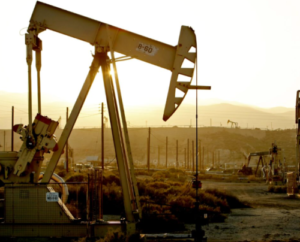
The geopolitical unrest has triggered volatility in global markets. On March 3, the Dow Jones Industrial Average plummeted by over 1,200 points, marking a 2.45% decline. Similarly, the S&P 500 and Nasdaq Composite fell by 2.3% and 2.5%, respectively. The uncertainty has also driven oil prices higher, with Brent crude and WTI both surging by approximately 7% as Iran closed the Strait of Hormuz and launched retaliatory strikes.
European markets were not spared, with the CAC 40 in France dropping 1.9%, Germany’s DAX 30 falling 2.2%, and the UK’s FTSE 100 experiencing declines of up to 3.3%. The energy sector saw significant disruptions, as European natural gas prices soared by 42% following Qatar’s suspension of LNG production.
Expert Insights and Future Outlook
Market experts, including JPMorgan Chase CEO Jamie Dimon, have warned of potential complacency in the markets amidst these geopolitical tensions. Dimon highlighted that inflation could persist around 3%, posing additional risks alongside the ongoing conflict. Analysts predict that if tensions escalate further, Brent oil prices could exceed $100 per barrel, potentially leading to stagflation and an economic slowdown.
In the bond markets, the 10-year U.S. Treasury yield rose to approximately 4.1% due to inflation concerns. Meanwhile, safe-haven assets like gold and the U.S. dollar have strengthened, reflecting investor caution.
Summary and Forward-Looking Takeaway
The collaboration between France and China underscores the critical role of diplomacy in addressing the Iran conflict. While markets remain volatile, a diplomatic breakthrough could eventually stabilize economic conditions. However, the risk of further escalation remains, particularly if Iran’s retaliatory actions continue to disrupt regional energy flows.



Comments are closed.