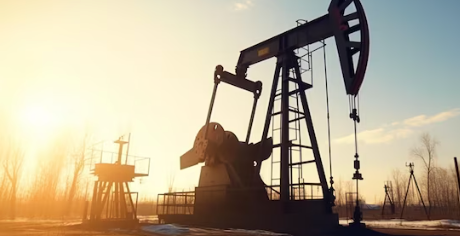
European Gas Prices Experience Rapid Surge
In a dramatic shift, European gas prices have soared nearly 100% within just 48 hours, igniting concerns across global markets. This sharp increase is largely attributed to rising geopolitical tensions near the Strait of Hormuz, a crucial choke point for global oil transport. The situation has pushed oil prices above the $80 mark, creating ripple effects felt worldwide.
Geopolitical Tensions at the Strait of Hormuz
The Strait of Hormuz is a vital passageway for the global energy supply chain, with approximately 20% of the world’s petroleum passing through it. Recent conflicts and military maneuvers involving Iran have heightened fears of potential disruptions. Such tensions can have profound impacts, not only raising transportation risks but also elevating insurance costs, which can further strain the energy markets.
Impact on Global Energy Markets
With European gas prices experiencing this unprecedented spike, the ramifications are vast. Energy-dependent industries across Europe may face increased production costs, which can trickle down to consumers. Moreover, the surge adds pressure to an already tight global energy market that is grappling with the aftereffects of previous supply chain disruptions and the ongoing shift towards alternative energy sources.
Historical Perspective and Market Reactions
The last time European gas prices saw a similar rapid increase, it led to widespread economic strain. Major industries reported significant cost overruns, and stock markets responded with heightened volatility. This time, investors are keenly monitoring geopolitical developments and are likely to reposition their portfolios to hedge against potential risks.
In recent trading sessions, there has been a notable shift towards safe-haven assets, reflecting the market’s risk-off sentiment. Gold prices have edged higher, while equities in sectors directly affected by energy costs, such as manufacturing and transportation, have seen declines.
Summary and Outlook
The recent doubling of European gas prices serves as a stark reminder of the vulnerability of global energy supply chains to geopolitical tensions. As the situation around the Strait of Hormuz remains fluid, markets globally continue to respond with caution and strategic recalibration.
Looking forward, stakeholders will be closely watching diplomatic developments, hoping for a de-escalation of tensions that could stabilize energy prices. In the interim, the focus will be on adapting to the immediate challenges posed by the current price surge while exploring long-term solutions to enhance energy security.





Comments are closed.