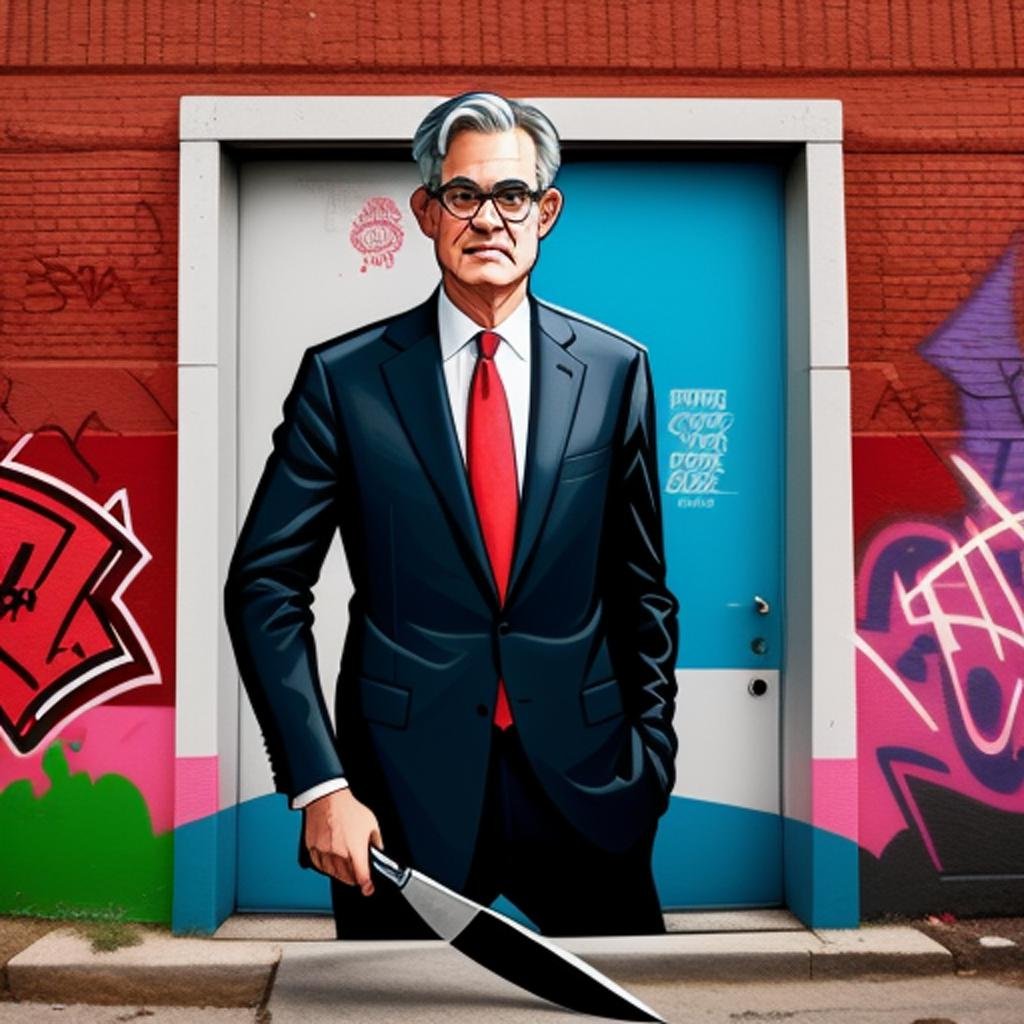
Elizabeth Warren Criticizes Fed Nominee Warsh’s Record
Senator Elizabeth Warren has voiced strong opposition to the nomination of Kevin Warsh as the next Federal Reserve Chair, a move that has sparked significant debate among policymakers and market analysts. Warren’s criticism, echoing through unofficial channels like Reddit, accuses Warsh of failing to learn from past mistakes during his tenure as a Federal Reserve governor during the financial crisis.
Warren’s Criticism and Political Implications
Warren’s statement, “You have learned nothing from your failures,” reflects her long-standing skepticism about Warsh’s suitability for the role. She has previously described Warsh as “Donald Trump’s sock puppet at the Fed,” suggesting that his appointment could undermine the independence of the Federal Reserve. This sentiment was first officially aired on March 4, 2026, when President Trump formally transmitted Warsh’s nomination to the Senate.
Her concerns are not without political consequence. The nomination process for Warsh has hit a snag in the Senate Banking Committee, where Senator Thom Tillis has vowed to block the confirmation until an ongoing DOJ investigation into Jerome Powell is resolved. This move underscores the contentious nature of Warsh’s pending confirmation and highlights the broader political maneuvering at play.
Market Reactions and Economic Context
Despite the political turmoil surrounding Warsh’s nomination, market reactions have been relatively muted. The SPDR S&P 500 ETF (SPY), a key barometer for U.S. equities, is trading at $634.09, reflecting a slight intraday decline of –0.016%. This modest drop suggests a cautious market sentiment as investors weigh the potential implications of Warsh’s leadership at the Fed.
Experts are divided on Warsh’s potential impact. Some analysts, like Robin Brooks from Brookings, praise Warsh as a “really good pick,” citing his expertise and communication skills. Others, including former Obama CEA Chair Jason Furman, acknowledge his qualifications but express concern about his alignment with Trump’s economic policies, which could pose risks to the Fed’s autonomy.
Broader Implications and Expert Analysis
The debate over Warsh’s nomination extends beyond his personal qualifications to broader concerns about the future of U.S. monetary policy. Raghuram Rajan, former RBI Governor, notes Warsh’s intellectual understanding and diplomatic skills, suggesting he may navigate the Fed’s challenges effectively. However, there are fears that his preference for significant balance-sheet reductions could destabilize short-term rate control.
Axios has reported that some Republicans are attempting to expedite Warsh’s confirmation, despite the DOJ inquiry into Powell, signaling the high stakes involved in this nomination process. This political backdrop, combined with Warren’s vocal opposition, highlights the complex interplay between economic policy and political influence in the current U.S. landscape.
As the Senate Banking Committee continues to deliberate on Warsh’s nomination, the financial community remains on alert for any developments that could shift market dynamics or influence monetary policy directions. The outcome of this nomination will likely have significant implications for the Federal Reserve’s future policies and its independence.



Comments are closed.