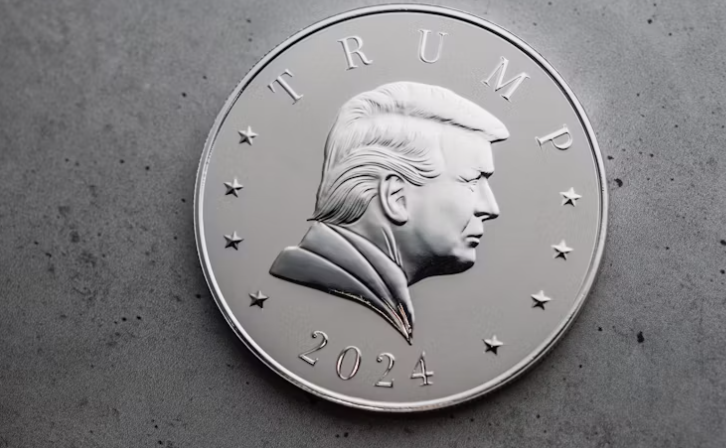
$TLT $SPY $BTC
#TrumpPolicies #InflationRisk #Economy #FinancialMarkets #Investing #Debt #FiscalPolicy #FederalReserve #InterestRates #GlobalMarkets #MarketVolatility #SupplyChain
Economists are raising concerns over the potential inflationary impact of Donald Trump’s policies, despite his campaign promises to reduce costs for American consumers. Trump, who won the US presidency largely on the back of his populist economic messages, claimed he would combat economic challenges such as high prices and stagnating wages. However, many financial analysts and experts believe that the combination of aggressive fiscal stimulus, deregulation, and protectionism that his administration has hinted at could, in fact, lead to inflationary pressures across the US economy.
A central concern is Trump’s plan for significant increases in government spending, particularly in areas like infrastructure. While these investments could spur economic growth and benefit certain sectors, they could also lead to an overheating economy. An influx of government spending during a time when the US is near full employment could prompt inflation, as demand for goods and services may outstrip supply. In such a scenario, inflation would likely rise, pushing the Federal Reserve to increase interest rates more swiftly. Higher rates typically put pressure on both equity markets, like $SPY, and bond markets, such as $TLT, as borrowing costs climb, and yields adjust to reflect additional inflation risk.
Trump’s protectionist stance on trade also poses a threat to long-term price stability. With potential tariffs on countries such as China or Mexico, the cost of imported goods, particularly in industries like manufacturing and technology, could rise significantly. This would transfer the burden to American consumers and businesses, affecting prices in sectors ranging from retail to automotive, and triggering inflationary pressures. Moreover, in an interconnected global economy, protectionist policies could strain international trade relationships and disrupt supply chains, further amplifying volatility in prices. This type of market uncertainty is often accompanied by sharp fluctuations in assets such as $BTC, as investors seek alternative stores of value in times of inflation and weakened fiat purchasing power.
At the macro level, there are fears that Trump’s policies could exacerbate the existing US national debt. Tax cuts, which Trump has indicated will play a central role in his economic plan, combined with increased government spending, are likely to widen the federal deficit. Over time, this could result in greater reliance on borrowing, placing upward pressure on bond yields and interest rates. Should these policies push inflation to surge, the Federal Reserve could be forced into tightening monetary policy at a faster rate than previously anticipated. This scenario would pose significant risks to financial markets, creating volatility and causing potential losses for investors reliant on stable growth in the bond and equity markets.





Comments are closed.