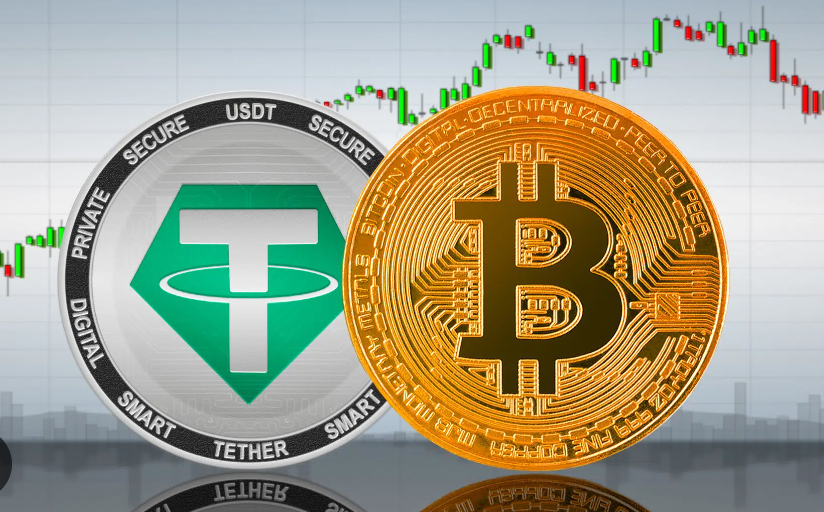
# $USDT #Tether #Crypto #Finance #DebtHolder #USGovernment #Treasury #Investment #GlobalFinance #MarketTrends #DigitalAssets #Economy
Did You Know Tether Is Now a Top U.S. Debt Holder? Here’s What It Means for You!
In recent tether news, Tether Holdings has emerged as a significant player in the U.S. government debt market. The company now holds approximately $135 billion in Treasury securities, positioning it as the 17th largest creditor of the United States. This remarkable development not only highlights Tether’s financial clout but also raises questions about the implications for the broader economy.
Tether’s Treasury holdings surpass those of South Korea, underscoring a shift in the landscape of global finance. Traditionally, government bonds are the realm of sovereign nations and established financial institutions. However, Tether’s unprecedented entry into this space signifies a growing acceptance of cryptocurrencies among mainstream financial actors.
Understanding Tether’s Position in the Market
The rise of Tether as a major U.S. debt holder marks a pivotal moment for both cryptocurrency and traditional finance. Tether, primarily known for its stablecoin, USDT, has been instrumental in the crypto ecosystem, providing liquidity and stability. This new status as a top U.S. debt holder allows Tether to enhance its credibility and may encourage further institutional investment in digital assets.
Furthermore, Tether’s substantial holdings in Treasuries could lead to a more stable backing for its stablecoin. Investors may view USDT as a safer asset, particularly during market volatility, which could reinforce its position in the cryptocurrency space. As Tether continues to grow, its influence on financial markets may increase, shaping the future of both digital currencies and traditional assets.
Impacts on the Broader Economy
The implications of Tether’s massive Treasury position extend beyond the company itself. Increased participation by crypto firms in government debt could signal a broader trend towards integrating digital assets into traditional financial systems. This shift may prompt regulators to reevaluate their approach to cryptocurrency, potentially leading to more favorable regulations that foster innovation.
Moreover, Tether’s activities could spur competition among other crypto firms to follow suit, which may lead to increased demand for U.S. government bonds. As these firms invest in Treasuries, the overall liquidity in the bond market could improve, potentially affecting interest rates and investment strategies across the board.
What This Means for Investors
For investors, Tether’s emergence as a major U.S. debt holder presents a unique opportunity to reevaluate their asset allocations. As the lines between traditional finance and cryptocurrency continue to blur, diversifying portfolios to include both can enhance resilience against market fluctuations.
Additionally, Tether’s position as a top creditor may inspire confidence in the overall crypto market. Investors may see this as a signal that cryptocurrencies are gaining acceptance among institutional players. As a result, many may consider exploring the potential benefits of investing in digital assets.
To stay informed on the latest developments in the cryptocurrency world, explore more relevant insights. For those looking to dive into trading, consider checking out Binance’s offerings to seize new opportunities.
In conclusion, Tether’s ascent as a significant U.S. debt holder signifies a transformative moment in finance. As the company continues to shape the intersection of cryptocurrencies and traditional assets, investors should remain vigilant and adaptable to capitalize on this evolving landscape.










Comments are closed.