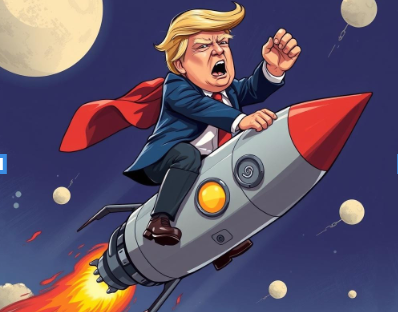
DHS Shutdown Deepens as House Rejects Senate Deal
The ongoing partial shutdown of the Department of Homeland Security (DHS) has entered its 42nd day, as House Republicans rejected a Senate proposal aimed at reopening the department. The Senate’s bill, which sought to restore funding to much of DHS but notably excluded Immigration and Customs Enforcement (ICE) and Customs and Border Protection (CBP), failed to gain traction in the House, largely due to political demands from the Freedom Caucus.
House GOP Stalemate
House Republicans, led by Speaker Mike Johnson, have labeled the Senate’s proposal as reckless, demanding the inclusion of voter-ID provisions and additional immigration-enforcement legislation. This political impasse has left the DHS partially unfunded, with significant implications for national security and travel, as airport operations face increasing strain.
Impact on Air Travel
The shutdown’s repercussions are acutely felt in the travel sector, especially as the spring travel season begins. Airports across the country are experiencing delays and closures, with Philadelphia already shutting down three security checkpoints. TSA agents, crucial to maintaining airport security, are working unpaid, leading to resignations and operational challenges. Since the shutdown began on February 14, at least 458 TSA officers have resigned, exacerbating the staffing crisis.
According to industry officials, the prolonged shutdown could result in airport closures, further disrupting travel. Former President Trump has proposed an executive order to pay TSA agents, bypassing Congress, but this measure remains unimplemented.
Market Reactions
The financial markets are reflecting the uncertainty caused by the DHS shutdown. Airline stocks, particularly Delta Air Lines (DAL) and American Airlines (AAL), have taken a hit. On March 27, 2026, Delta closed at $64.94, down 2.87%, while American Airlines dropped 3.88% to $10.295. These declines mirror investor concerns over potential travel disruptions and their impact on airline revenues.
Despite these challenges, the travel industry reports strong demand and record bookings, providing some financial relief. However, the ongoing instability and staffing issues continue to weigh on market sentiment.
Outlook and Implications
As the legislative deadlock persists, the prospect of a resolution remains uncertain. The House’s rejection of the Senate bill necessitates renewed negotiations or alternative actions, such as executive orders, to mitigate the shutdown’s impact. Policymakers and industry leaders stress the urgency of resolving the impasse to protect the travel sector and maintain national security.
Without a breakthrough, the travel industry’s operational strain is likely to worsen, potentially leading to systemic risks and significant economic losses. The situation underscores the complex interplay between politics and economic stability, with broader implications for the U.S. economy and global markets.





Comments are closed.