# $XRP #Ripple #CryptoNews #Blockchain #DeFi #Cryptocurrency #Finance #Investing #MarketTrends #Stablecoins #Web3 #DAOs
Does Ripple’s Other Revenue Diminish Its Need to Sell XRP? Find Out How.
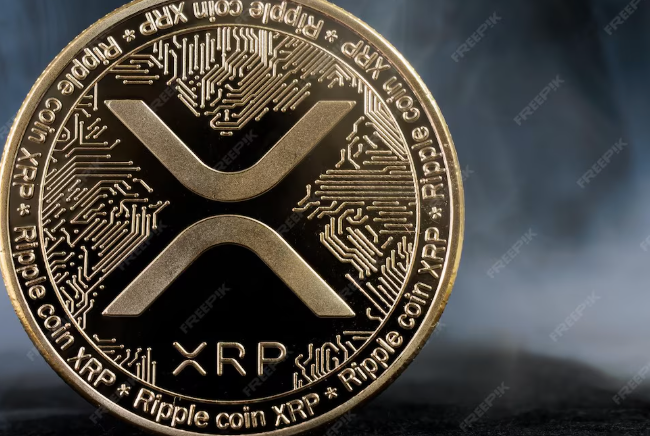
In recent discussions surrounding Ripple’s financial strategies, Schwartz news highlights an important aspect of the company’s revenue model. Ripple has diversified its income streams, allowing it to operate without the immediate necessity to liquidate its XRP holdings. This development provides a sense of security for XRP holders concerned about market volatility.
Understanding Ripple’s Revenue Streams
Ripple’s business model comprises various revenue sources that extend beyond XRP sales. The company has established partnerships with financial institutions worldwide, leveraging its blockchain technology to facilitate faster, more affordable cross-border transactions. These collaborations generate consistent revenue, significantly reducing the reliance on XRP sales to fund daily operations.
Investors often worry that selling XRP could lead to price depreciation. However, Ripple’s alternative revenue sources mean the company can sustain its operations without constantly tapping into its crypto reserves. This strategic approach reassures holders who fear that selling pressures may undermine XRP’s market value.
The Impact of Ripple’s Partnerships
Ripple’s partnerships with banks and payment providers play a pivotal role in its revenue generation. By integrating its technology into these institutions, Ripple earns transaction fees and licensing revenues. These consistent income streams help bolster the company’s financial health, enabling it to navigate market fluctuations more effectively.
Moreover, Ripple’s focus on expanding its global footprint through strategic alliances ensures that revenue inflows remain stable. As the demand for efficient cross-border payment solutions increases, Ripple stands to benefit further, solidifying its position in the crypto ecosystem.
Investor Sentiment and Market Stability
The diversification of Ripple’s income can positively influence investor sentiment. Knowing that the company is not solely dependent on XRP sales may enhance confidence among investors. A more stable financial foundation allows Ripple to make long-term strategic decisions without the pressure of immediate liquidity needs.
Additionally, this stability can attract new investors, as the company’s growth potential becomes more apparent. As Ripple continues to innovate and expand its offerings, the company can enhance its market position while maintaining a positive outlook for XRP holders.
What Lies Ahead for Ripple?
As Ripple continues to evolve, its ability to generate revenue from diverse sources will be crucial. The ongoing demand for blockchain solutions in the financial sector positions Ripple well for future growth. If the current trend continues, the need for Ripple to sell XRP may further diminish, providing a more sustainable environment for both the company and its investors.
For those looking to explore more about the cryptocurrency landscape, consider visiting our crypto news section, where you can find in-depth analyses and insights.
Furthermore, for those interested in trading or purchasing XRP, platforms like Binance offer extensive options. As the market continues to evolve, staying informed is essential to making sound investment decisions.
In conclusion, Ripple’s diversification of income sources significantly mitigates the need to sell XRP. With a robust business model and strategic partnerships, Ripple is well-positioned to navigate the complexities of the cryptocurrency market while providing reassurance to its investors.






Comments are closed.