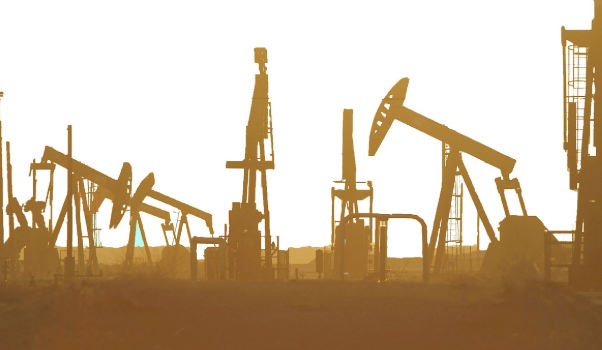
CME Group CEO Issues Stark Warning to White House
The head of CME Group, the world’s leading derivatives marketplace, has delivered a stark warning to the Trump Administration, cautioning that attempts to lower oil prices through direct intervention in derivatives markets during the ongoing conflict with Iran could trigger a “biblical disaster.” The warning, issued via social media, highlights the extreme tension between geopolitical objectives and market integrity as crude futures ($CL=F) trade near multi-year highs. The comment underscores the high-stakes environment where government policy collides with the foundational principles of price discovery in critical commodity markets.
CME Group Inc. ($CME), with a market capitalization exceeding $114 billion, operates the New York Mercantile Exchange (NYMEX), the primary global venue for West Texas Intermediate (WTI) crude oil futures. Any direct administrative action to manipulate prices on this exchange would represent an unprecedented incursion into a privately-run, but systemically vital, financial infrastructure. The CEO’s choice of language reflects the severity with which market operators view potential political interference.
Market Context: Oil Prices Surge Amid Geopolitical Strife
The warning comes as crude oil markets exhibit significant volatility. According to the latest verified data, front-month WTI crude oil futures ($CL=F) were trading at $96.35 per barrel, up approximately 1.13% on the day from an opening price near $95.27. This price level, significantly elevated from historical norms, is a direct reflection of supply fears stemming from the military engagement with Iran, a major oil producer. The previous close was $95.73, indicating sustained upward pressure.
Historically, governments have used tools like releases from the Strategic Petroleum Reserve (SPR) to influence physical supply and, by extension, prices. However, the warning specifically cites intervention in “derivatives markets,” suggesting actions like imposing price caps on futures contracts, dictating margin requirements, or directly influencing settlement prices. Such measures could severely damage the credibility of the benchmark and lead to a breakdown in hedging activity, which is essential for producers, consumers, and traders worldwide.
Potential Consequences of Market Intervention
Analysts suggest that political intervention in the derivatives complex could have several catastrophic effects. First, it would likely cause a liquidity crisis, as market makers and participants flee a market perceived as being artificially controlled. Second, it could bifurcate the global oil market, creating a gap between the U.S. benchmark price and physical crude traded elsewhere, undermining the dollar’s role in oil trade. Finally, it would set a dangerous precedent for government manipulation of other critical futures markets, from grains to metals.
The integrity of the WTI futures contract is paramount to global energy finance. It is the pricing basis for millions of barrels of oil traded daily. If participants lose faith in its independence, capital could migrate to other venues or benchmarks, such as Brent crude, diminishing U.S. financial influence. CME Group’s share price ($CME), trading at $311.19 with a trailing P/E ratio of 28.59, is itself a reflection of investor confidence in its stable, rule-based operating environment.
Historical Precedents and the Path Forward
While direct price controls in derivatives are rare in modern times, history offers cautionary tales. Past attempts to control commodity prices, from Nixon-era wage and price controls to various nationalization efforts, have often led to shortages, black markets, and long-term market distortions. The derivatives market warning suggests administration officials may be considering extraordinary measures to combat inflation and secure economic stability ahead of the election cycle, viewing high oil prices as a political liability.
The White House has not publicly detailed any specific plans to intervene in oil derivatives. The CME chief’s public statement can be seen as a preemptive strike, aiming to frame such intervention as fundamentally reckless before it gains policy traction. The move also serves to align the exchange with its core constituency of financial institutions that rely on predictable, rules-based markets to operate.
Summary and Takeaway
The dramatic warning from the head of CME Group elevates the debate over how governments should respond to wartime commodity spikes. With WTI crude holding above $96, the pressure for action is intense. However, the potential cure of market intervention may be worse than the disease, risking the very stability it seeks to create. Market participants will now watch closely for any official policy statements, knowing that the credibility of the world’s most important oil benchmark hangs in the balance. The immediate takeaway is that the guardians of market infrastructure are drawing a red line, signaling that political convenience must not override the mechanisms that ensure global market function.









Comments are closed.