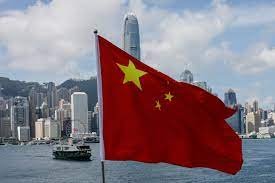
Chinese Banks’ Lending Surge in 2025
In 2025, Chinese banks significantly increased their lending to Gulf states, reaching a record $15.7 billion. This marked a nearly threefold increase from 2024, driven by strategic alignments with China’s geopolitical and economic initiatives. The bulk of these loans were directed towards Saudi Arabia and the United Arab Emirates, focusing on infrastructure and energy projects. This surge was part of China’s broader Belt and Road Initiative, which aims to promote yuan internationalization and facilitate petrodollar recycling. The favorable terms offered by Chinese banks compared to their Western counterparts made them attractive partners for Gulf states pursuing ambitious projects like Saudi Vision 2030 and the UAE’s infrastructure expansion.
Recent Pullback and Geopolitical Concerns
As of early March 2026, several Chinese financial institutions are reportedly scaling back their exposure to Middle Eastern debt. Bloomberg reported that major banks are limiting credit facilities and reassessing loan agreements with Gulf entities. For instance, a significant lender has halted a $4 billion syndicated loan tied to Abu Dhabi Developmental Holding Company (ADQ). Additionally, the Hong Kong Monetary Authority has instructed local banks to review their exposure to Middle Eastern loans and bonds, reflecting a cautious approach amid escalating geopolitical tensions.
Impact of Geopolitical Instability
The geopolitical landscape has become increasingly volatile, particularly following recent U.S.-Israeli military actions against Iran. This conflict has disrupted investment activities and heightened risk perceptions among Chinese banks. Fred Hu, chairman of Primavera Capital Group, highlighted that these tensions are affecting capital flows and investment discussions between China and the Middle East, with banks postponing or canceling travel to the region for security reasons. Consequently, deal-making timelines have been delayed, impacting the financial landscape.
Financial Market Implications
The financial markets are responding to these developments with increased scrutiny. The war in Iran has driven Brent crude prices up by 10-13%, hovering around $80-82 per barrel. This oil market volatility further complicates the financial exposure of Chinese banks in the region. In parallel, the rise of yuan-denominated “panda bonds” is gaining traction, with the Arab Energy Fund (TAEF) receiving approval to issue up to $1.4 billion worth of these bonds. This reflects a strategic shift towards cheaper Chinese funding options and highlights the complexities of Sino-Gulf financial relations.
Summary and Outlook
In summary, while Chinese banks’ lending to Gulf states surged in 2025, the current geopolitical tensions and market volatility have prompted a reassessment of their regional exposure. The strategic initiatives that initially drove this lending boom are now being weighed against the risks posed by ongoing conflicts. As Chinese banks navigate these challenges, their future involvement in the Middle East will likely depend on the evolving geopolitical and economic landscape. The emergence of yuan-based financial instruments presents both opportunities and challenges, as the region continues to explore diversified funding sources.







Comments are closed.