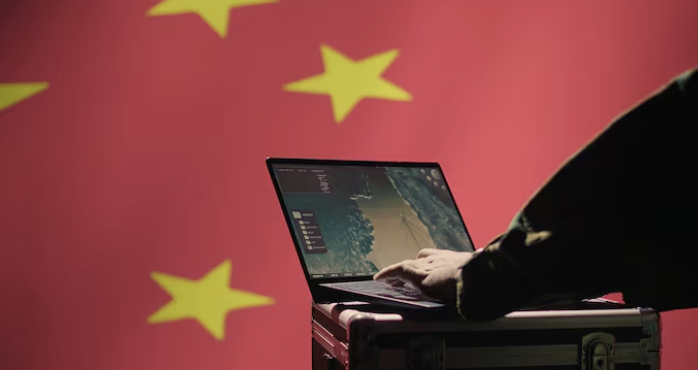
China’s Belt and Road Initiative Expands
In a landmark year for China’s Belt and Road Initiative (BRI), investment increased by three-quarters to a record $213.5 billion in 2025. This surge corresponds with China’s strategic move to gain economic influence globally as US geopolitical clout appears to diminish. The increase in BRI investment underscores China’s commitment to cementing its role as a major player on the world stage.
Powering the Expansion: Energy and Green Technology
The year 2025 witnessed a significant rise in BRI-related energy projects, reaching a record $93.9 billion. This figure is more than double that of 2024, highlighting China’s emphasis on energy independence and technological advancement. Notably, $18 billion of this was allocated to wind, solar, and waste-to-energy projects, reinforcing China’s leadership in clean energy technology.
Strategic Gain in Resources and Technology
China’s strategic focus on metals and mining also saw a substantial increase, hitting $32.6 billion. Efforts predominantly targeted minerals processing, crucial for supporting technological innovations like data centers and AI. Craig Singleton from the Foundation for Defense of Democracies noted China’s intent to secure resources that exclude US involvement, furthering China’s self-reliance and supply chain resilience.
Challenges and Global Implications
Despite the BRI’s growth, concerns over partner countries’ debt to China remain. The 2024 Congressional Research Service report highlighted issues such as unsustainable debt and opaque loan terms. Additionally, the initiative’s sheer scale complicates global tracking efforts, posing risks of civilian and military dual-use.
In the face of US actions in regions like Venezuela and Iran, China is driven to minimize its exposure to external leverage. This strategic pivot ensures Beijing’s economic stability in volatile markets.
Looking Ahead: Continued Expansion and Influence
China is projected to further increase its BRI investments in 2026, focusing on energy, mining, and technology. Christoph Nedopil Wang of Griffith University anticipates that global trade volatility will push China to enhance supply chain resilience, offering alternative markets for its companies.
As China continues to expand its economic footprint through the BRI, the global balance of power may increasingly tilt towards Beijing. The initiative not only advances China’s economic goals but also redefines global trade dynamics, potentially shaping future geopolitical landscapes.








Comments are closed.