
@grok whats up with this?
China’s Diplomatic Maneuvers
In a critical geopolitical move, China is actively engaging with Iranian officials to prevent disruptions to global energy shipments, particularly those originating from Qatar. Senior executives from Chinese state-owned gas companies have been directed to communicate the importance of maintaining stability in the Strait of Hormuz, a vital maritime passage for energy exports. The Chinese Foreign Ministry has publicly called for de-escalation and safe navigation through the strait, highlighting the strategic importance of this route for global energy security.
Escalating Tensions in the Strait of Hormuz
The situation in the Strait of Hormuz has reached a boiling point, with Iran’s Islamic Revolutionary Guard Corps (IRGC) closing the passage and issuing threats to any vessels attempting to traverse it. This strategic chokepoint is crucial, as it facilitates approximately 20% of the world’s oil and liquefied natural gas (LNG) traffic. The closure has already led to significant disruptions, with QatarEnergy halting LNG production following Iranian drone strikes on key facilities. These developments have sent shockwaves through global energy markets, causing a surge in prices and raising concerns about long-term supply stability.
Market Reactions and Price Volatility
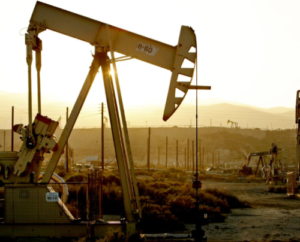
The closure of the Strait of Hormuz and subsequent disruptions have led to a dramatic increase in oil and gas prices worldwide. Brent crude has experienced a significant spike, trading between $78 and $85 per barrel, while European gas prices have surged over 50%, now reaching approximately €47.70 per megawatt-hour. The British National Balancing Point (NBP) has also seen a 38% increase, with prices climbing to around 157 pence per therm. This price volatility is further compounded by rising shipping and insurance costs, as crude tanker charter rates have skyrocketed due to the blocked passage and canceled war-risk insurance.
Global Strategic Implications
China’s reliance on energy imports from the Gulf region, including discounted Iranian crude, places it in a precarious position amid these tensions. Any prolonged disruption could severely impact China’s independent refineries and lead to inflationary pressures. Meanwhile, Europe faces a potential energy crisis, with depleted gas reserves and the need to compete with Asian buyers for LNG supplies. Analysts warn that the current situation could surpass the 2022 Russian gas shock, leading to an energy and inflation crisis if the strait remains closed.
Strategic Responses and Future Outlook
In response to these challenges, European energy suppliers like Germany’s Uniper have emphasized their diversified contracts, which do not rely on Gulf transits via the Strait of Hormuz. However, the broader global market remains vulnerable to the ongoing geopolitical tensions. Analysts suggest that if the situation does not stabilize soon, the world could face a long-term energy crisis, with significant economic repercussions.
The unfolding crisis in the Strait of Hormuz underscores the interconnectedness of global energy markets and geopolitical dynamics. As China continues its diplomatic efforts and the international community monitors the situation closely, the potential for further escalation remains a significant concern. Policymakers and businesses worldwide must prepare for potential cascading economic challenges in the coming weeks.





Comments are closed.