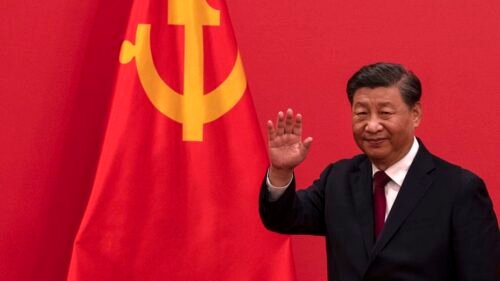
China’s Strategic Move in the Middle East
In a significant geopolitical development, China is engaging in talks with Iran to ensure the safe passage of oil and gas shipments through the Strait of Hormuz. This strategic waterway is crucial for global energy supplies, with approximately 20% of the world’s seaborne crude oil passing through its narrow confines. The ongoing conflict in the region has severely disrupted shipping activities, prompting China to take diplomatic steps to safeguard its energy imports.
As Iran’s largest trading partner, China wields considerable influence and is reportedly urging Tehran to refrain from targeting tankers. The Chinese government has publicly called for an immediate ceasefire and emphasized the importance of maintaining open navigation channels in the strait. This move underscores China’s reliance on the Strait of Hormuz for its energy needs, as about 50% of its oil imports from key Middle Eastern countries transit through this route.
Market Reactions and Economic Implications
The conflict has led to significant volatility in global oil markets. Brent crude prices have surged to around $85.41 per barrel, marking their highest level since 2024, while West Texas Intermediate (WTI) has climbed to $81.01 per barrel. This price surge reflects growing concerns over supply disruptions, with a risk premium of approximately $14 per barrel now factored into the market.
Shipping costs have also skyrocketed, with supertanker rates from the Middle East to China reaching over $400,000 per day. This increase is driven by heightened demand and regional instability. Analysts warn that prolonged disruptions could further inflate global energy prices, potentially impacting economic growth and inflation rates worldwide.
Iran’s Response and Strategic Dynamics
In response to China’s diplomatic overtures, Iran has made a controversial announcement allowing only Chinese vessels safe passage through the strait. This selective passage strategy appears to be a tactical nod to Beijing, although it remains unverified by mainstream sources. The Iranian Revolutionary Guard has threatened to target non-compliant ships, effectively closing the strait to most international traffic.
Despite these threats, U.S. military officials maintain that the strait remains technically open. However, the situation remains precarious, with the potential for further escalation if diplomatic efforts fail to yield a resolution.
China’s Domestic Energy Preparedness
Amid the uncertainty, Chinese refineries are operating at normal levels, supported by substantial onshore crude inventories estimated at 1.3 billion barrels. These reserves provide a buffer of at least 15 days of processing capacity, allowing refineries to continue operations even if the strait remains closed for a short period. Analysts suggest that if the situation stabilizes within ten days, China’s energy supply chain could avoid significant disruptions.
Summary and Future Outlook
The ongoing talks between China and Iran highlight the intricate geopolitical dynamics at play in the Middle East. While China seeks to secure its energy imports, the broader implications for global markets remain uncertain. The situation underscores the strategic importance of the Strait of Hormuz and the potential economic repercussions of prolonged disruptions.
Looking ahead, the resolution of this conflict will be crucial for stabilizing energy markets and ensuring the uninterrupted flow of crucial resources. Continued diplomatic efforts and strategic alliances will be key to navigating the complex landscape of international energy politics.










Comments are closed.