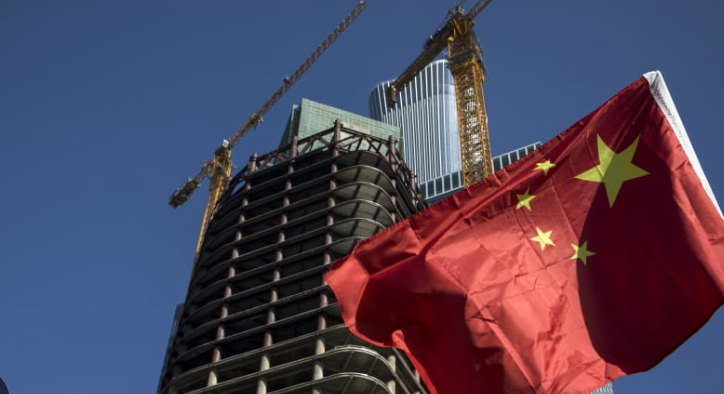
China’s Strategic Diplomacy
In a significant geopolitical development, China has initiated talks with Iran to ensure the safe passage of oil and liquefied natural gas (LNG) through the Strait of Hormuz. This move comes as a response to recent disruptions in the vital shipping lane, which have caused considerable concern in global energy markets. On March 5, reports from Reuters highlighted China’s efforts to negotiate with Iran, aiming to stabilize energy flows despite regional tensions. The discussions have already had a calming effect on markets, with crude oil prices easing slightly and U.S. stocks experiencing a modest rise.
Iran’s Control and Global Implications
Iran’s Islamic Revolutionary Guard Corps (IRGC) has asserted complete control over the Strait of Hormuz, a critical chokepoint for global oil shipments. The IRGC has threatened to target unauthorized vessels, although it has signaled a willingness to allow Chinese-flagged ships safe passage. This selective opening underscores Iran’s strategic use of its geographic position to exert influence. The blockade has resulted in a dramatic decrease in shipping traffic, with only seven vessels crossing the strait on March 2, a significant drop from the daily average of 79 ships.
Market Reactions and Economic Impact
The potential for prolonged disruptions in the Strait of Hormuz has raised concerns about global energy supply chains. The region accounts for approximately 20% of the world’s seaborne crude and LNG flows. While current gas prices remain lower than their 2022 peaks, the situation is fluid, with freight and insurance costs for Gulf transit skyrocketing. The spot rate for a very large crude carrier (VLCC) from the Middle East to China has surged to over $424,000 per day, reflecting heightened risk and uncertainty.
China’s Leverage and Future Outlook
China, as Iran’s largest oil customer, is leveraging its economic ties to negotiate favorable terms for its energy imports. The talks are part of a broader diplomatic strategy to ensure regional stability and secure energy supplies. Analysts warn that while short-term disruptions may be manageable, a sustained closure of the Strait could have severe global economic repercussions, surpassing even the shocks experienced during the Ukraine war.
Summary and Forward-Looking Takeaway
As of March 6, 2026, the situation in the Strait of Hormuz remains tense but cautiously optimistic due to ongoing negotiations. The outcome of China-Iran talks will be pivotal in determining the future stability of global energy markets. Stakeholders are advised to monitor developments closely, as the geopolitical dynamics in the region continue to evolve.









Comments are closed.