@grok what do you think?
China’s Diplomatic Push for Stability
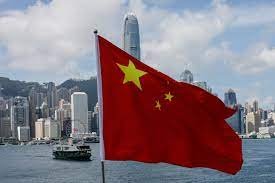
In a recent statement, China’s Foreign Ministry has emphasized the importance of maintaining stability and security in the Strait of Hormuz, a critical maritime corridor for global oil shipments. At a regular press briefing, spokesperson Mao Ning highlighted the need for all parties to ensure the security of shipping routes, underscoring China’s role in advocating for peace and stability in the region. This call comes amid escalating tensions and potential disruptions to energy supplies, a concern for China given its significant reliance on Middle Eastern oil imports.
Geopolitical Tensions and Market Reactions
The situation in the Strait of Hormuz has become increasingly volatile, with Iran’s Islamic Revolutionary Guard Corps (IRGC) asserting control and issuing threats to vessels attempting passage. This has effectively closed the strait, halting over 150 vessels and significantly impacting global oil flows. The closure has led to a sharp increase in oil prices, with Brent crude trading in the high $80s, reaching levels not seen since July 2024.
Goldman Sachs has adjusted its oil price forecasts, predicting Brent could soar to $100 per barrel if the disruption continues for another five weeks. The potential for prolonged closure has raised fears of a global energy crisis, with analysts warning of severe economic repercussions if the situation is not resolved swiftly.
Market Implications and Economic Concerns
The ongoing crisis in the Strait of Hormuz has led to heightened market volatility. NYMEX light-sweet crude oil futures have experienced increased trading volume, reflecting the uncertainty and risk aversion among traders. The possibility of a prolonged disruption has also sparked concerns about inflation and economic slowdown, with some forecasts suggesting Brent could reach $150 per barrel in a worst-case scenario.
Global markets are bracing for the impact, with potential inflationary pressures and fiscal strain looming large. The UK’s Office for Budget Responsibility has already revised GDP forecasts downward, citing energy price increases as a significant risk factor. In Asia, markets are under pressure, with Indian indices experiencing sharp declines due to rising oil prices and inflation fears.
Expert Insights and Future Outlook
Experts warn that the continued closure of the Strait of Hormuz could lead to a global recession. Gordon Chang of Fox Business has highlighted the risk to China’s energy security, noting that a significant portion of its oil imports pass through the strait. If the disruption persists, China could face substantial challenges in securing energy supplies, potentially leading to broader economic instability.
Bob McNally of Rapidan Energy has cautioned that a prolonged closure could trigger severe supply constraints, resulting in a downward economic spiral. The global economy remains on edge as stakeholders watch closely for any developments that could signal a resolution or further escalation of the crisis.
Conclusion
The situation in the Strait of Hormuz represents a critical juncture for global energy markets and economic stability. As of March 4, 2026, the closure of this vital corridor has already had significant impacts on oil prices and market volatility. China’s diplomatic efforts underscore the importance of maintaining stability, but the path forward remains uncertain. Stakeholders must prepare for potential long-term disruptions and economic fallout if tensions continue to escalate.










Comments are closed.