Bank of America Urges Fed Patience Amid Persistent Inflation Pressures
Analysts at Bank of America have issued a clear warning to the Federal Reserve: do not rush to cut interest rates. This call for caution comes as underlying measures of inflation, which strip out volatile food and energy prices, remain elevated. The bank’s stance highlights a growing debate on Wall Street about the appropriate timing for monetary policy easing.
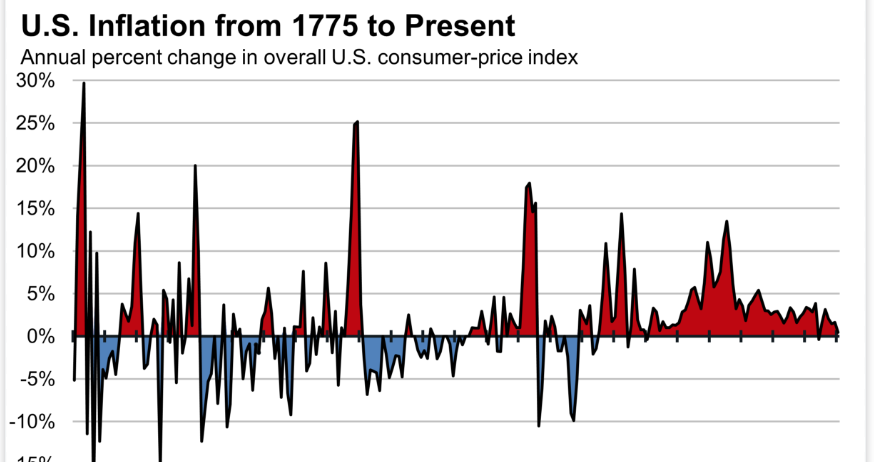
The core Personal Consumption Expenditures (PCE) price index, the Fed’s preferred inflation gauge, has shown a slow and uneven descent from its peak. Recent data indicates that while headline inflation has cooled, the core components remain sticky, particularly in services. This persistence suggests the battle against inflation is not yet over.
Financial markets have been eagerly anticipating rate cuts, with futures markets earlier this year pricing in multiple reductions. However, a string of robust economic data and firmer-than-expected inflation prints have forced a significant recalibration. The Fed’s own “dot plot” projections now suggest a more gradual pace of easing than investors had hoped for.
Market Implications of a Higher-for-Longer Rate Regime
The prospect of delayed rate cuts has profound implications across asset classes. For equities, the higher-for-longer interest rate environment pressures valuations, particularly for growth and technology stocks that are sensitive to discount rates. The S&P 500 ($SPY) has experienced volatility as investors weigh strong corporate earnings against the headwind of restrictive monetary policy.
In the bond market, yields have climbed as expectations for imminent cuts have faded. The 10-year Treasury yield, a benchmark for global borrowing costs, has remained elevated, reflecting the market’s acceptance of the Fed’s patient stance. This has tightened financial conditions, affecting everything from mortgage rates to corporate debt issuance.
The U.S. dollar ($DXY), bolstered by relatively high U.S. interest rates, has maintained its strength against a basket of other major currencies. A resilient dollar has global repercussions, making dollar-denominated debt more expensive for emerging markets and impacting multinational corporate earnings.
The Sticky Core Inflation Problem
Bank of America’s caution is rooted in specific data trends. Core services inflation, a category heavily influenced by wage growth and housing costs, has been particularly slow to moderate. Shelter inflation, while decelerating, remains a significant contributor to the overall index.
Other persistent areas include insurance costs and certain personal services. This stickiness suggests that the final leg of the inflation fight may be the most challenging, requiring sustained restrictive policy to fully anchor inflation expectations back to the Fed’s 2% target.
Diverging Views on the Economic Outlook
Not all institutions share Bank of America’s cautious view. Some economists argue that the lagged effects of past rate hikes have yet to fully work through the economy and that maintaining tight policy for too long risks an unnecessary downturn. They point to slowing consumer spending in certain segments and cracks in the labor market as signs that the economy is cooling.
However, the dominant narrative, supported by recent strong jobs reports and retail sales data, is that the U.S. economy continues to exhibit remarkable resilience. This resilience gives the Federal Reserve the optionality to wait for clearer, sustained evidence that inflation is definitively on a path to 2% before pivoting to rate cuts.
What This Means for Investors and Policy
For investors, the message is to prepare for continued volatility and a data-dependent market. Each new inflation and employment report will be scrutinized for clues on the Fed’s next move. Sectors like utilities and real estate, which are sensitive to interest rates, may face continued pressure, while financials could benefit from a steeper yield curve.
The Fed’s communication will be critical. Any shift in tone from Chair Jerome Powell or other Federal Open Market Committee (FOMC) members will be parsed for hints of a change in the projected timeline. The central bank walks a tightrope, aiming to avoid reigniting inflation by cutting too soon while also preventing a deep recession by cutting too late.
Upcoming FOMC meetings and the quarterly Summary of Economic Projections will be key events for markets. Investors will watch for any changes to the median forecast for the federal funds rate, GDP growth, unemployment, and, most importantly, inflation.
Summary and Forward Look
Bank of America’s analysis underscores a pivotal moment for U.S. monetary policy. With underlying inflation proving sticky, the prudent course appears to be maintaining policy restraint. Markets are adjusting to the reality that the era of near-zero rates is over and that the path to normalization will be gradual.
The immediate takeaway is that investors should temper expectations for aggressive easing in 2024. The Fed’s priority remains price stability, and until core inflation shows consistent, broad-based improvement, rates are likely to stay at their current restrictive levels. The next few months of economic data will be decisive in shaping the policy path for the remainder of the year.











Comments are closed.