
Bitcoin Finds Footing After Inflation Data
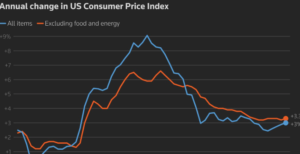
Bitcoin’s price staged a notable rebound, climbing back above the $70,000 threshold as the latest U.S. Consumer Price Index (CPI) report aligned precisely with market expectations. The flagship cryptocurrency was trading near $70,703, according to verified market data from CoinGecko, marking a 24-hour gain of approximately 1.56%. This move suggests traders, who had been in a cautious wait-and-see mode, interpreted the absence of an inflation surprise as a green light for risk assets.
The monthly and annual inflation figures came in flat relative to forecasts, providing a moment of clarity in an otherwise uncertain macroeconomic landscape. For Bitcoin, which has shown sensitivity to interest rate expectations, the data offered temporary relief from fears of more aggressive monetary tightening. The cryptocurrency’s market capitalization stood at a formidable $1.41 trillion, underscoring its regained stature in global finance.
Strategic Oil Release Tempers Energy Price Pressures
Concurrently, a significant development in the commodities market provided a secondary tailwind for broader market sentiment. The announced release of 400 million barrels from strategic petroleum reserves helped cool a blistering rally in crude oil prices. High energy costs have been a primary driver of inflationary pressures, so this intervention was seen as a direct attempt to alleviate one source of CPI heat.
While the immediate impact was felt in oil futures, the ramifications extended to all inflation-sensitive assets. Lower energy prices can reduce future inflation expectations, which in turn can influence the Federal Reserve’s policy trajectory. This created a favorable backdrop for growth-oriented and non-yielding assets like Bitcoin, which benefit from a stable or potentially less hawkish interest rate environment.
Market Mechanics and Trader Sentiment
The trading volume for Bitcoin over the past 24 hours was substantial, exceeding $48.5 billion. This indicates that the price move was supported by significant liquidity and genuine capital flows, not merely thin market volatility. The rebound also follows a period of consolidation; data shows Bitcoin’s price over the last 31 days has seen a relatively modest net change of about 0.87%, suggesting the asset had been range-bound before this catalyst.
Analysts observed that the market’s reaction was more about the removal of a negative catalyst than the introduction of a powerfully positive one. With the CPI risk now passed, attention is likely to shift to upcoming labor market data and Federal Reserve communications. The lack of a negative surprise allowed sidelined capital to re-enter the market, providing the fuel for Bitcoin’s ascent.
Broader Context for Crypto and Macro Assets
The interplay between inflation data, central bank policy, and digital asset prices has become a dominant narrative in 2026. Bitcoin’s performance in this instance reinforces its evolving role as a macro hedge for some investors, though its price action remains complex and influenced by multiple factors including institutional adoption flows and network-specific developments.
The cooling oil price, facilitated by the strategic reserve release, represents a notable policy tool being deployed to manage economic stability. For traders, the simultaneous calming of inflation data and energy markets created a rare “goldilocks” scenario—not too hot to prompt aggressive Fed action, and with proactive measures being taken to prevent future overheating.
Forward Outlook and Key Levels
The immediate technical focus for Bitcoin will be on whether it can sustain momentum above the $70,000 psychological level and challenge recent highs. Support is likely to be found near the previous consolidation zone. The primary headwinds remain potential shifts in Fed rhetoric or unexpectedly strong subsequent economic data that could revive fears of prolonged higher interest rates.
For oil markets, the efficacy and duration of the price impact from the barrel release will be closely watched. If the dip is perceived as temporary, inflation concerns could quickly resurface, creating volatility across all asset classes. The situation underscores the interconnectedness of global commodity markets, monetary policy, and digital asset valuations.
Summary and Takeaway
Bitcoin reclaimed the $70,700 level following a U.S. CPI report that met consensus forecasts, coupled with a coordinated release from strategic oil reserves that tempered energy-led inflation fears. The reaction highlights the cryptocurrency’s acute sensitivity to macroeconomic indicators and central bank policy expectations. Trading volume confirmed the move was substantive, breaking Bitcoin out of a recent period of sideways trading.
Looking ahead, the market’s relief may be tested by upcoming economic data. The current environment suggests that for Bitcoin to advance further, it will require either continued benign inflation readings or a surge in positive crypto-specific catalysts. The episode demonstrates that in the current cycle, traditional macro developments remain powerful short-term drivers of digital asset prices.










Comments are closed.