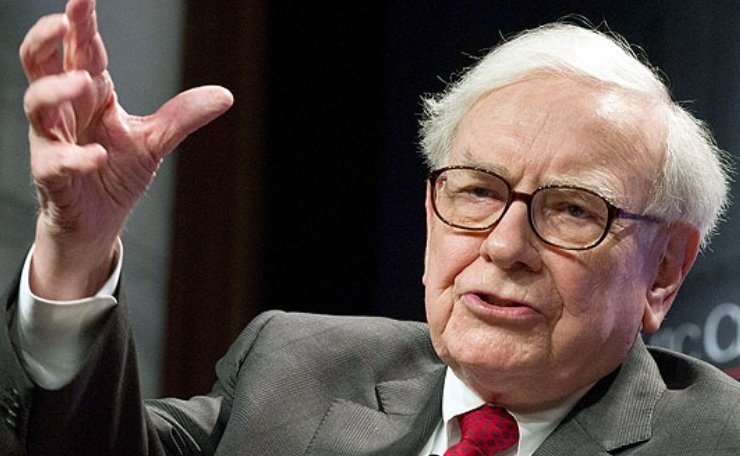
Buffett’s Final Act as CEO: A Net Seller of Stocks
In the final chapter of Warren Buffett’s legendary tenure as CEO, Berkshire Hathaway made a decisive move by selling more equities than it purchased. This strategic decision marks the end of an era for the investment conglomerate, as Buffett steps down after decades of leadership. As part of this transition, Berkshire continued to reduce its holdings in some of its significant stakes, including Apple Inc. (AAPL) and Bank of America.
Trimming the Apple and Bank of America Stakes
Berkshire Hathaway’s decision to trim its position in Apple, the tech giant that has been a cornerstone of its portfolio, comes as the stock saw modest gains. According to market data, Apple’s stock closed at $264.58 on February 20, 2026, marking a 2.14% increase over the past month. Despite the reduction, Apple remains a critical part of Berkshire’s investment strategy.
Similarly, the company has been decreasing its stake in Bank of America, aligning with its broader strategy of reevaluating its portfolio composition. This move is part of a meticulous approach to capital allocation, ensuring that Berkshire’s resources are optimally deployed in the face of a dynamic market environment.
Amazon Holding Slashed
In addition to paring down its larger positions, Berkshire significantly reduced its already modest stake in Amazon.com. The e-commerce giant’s stock has recently experienced a downturn, closing at $210.11, which signifies a substantial 14.69% decline over the past 30 days. This decision might reflect Berkshire’s cautious outlook on the retail and tech sectors amid evolving consumer trends and competitive pressures.
Market Context and Analysis
Buffett’s decision to be a net seller comes at a time of heightened market volatility. While some sectors have shown resilience, the overall economic landscape is marked by uncertainty. Inflationary pressures and interest rate concerns continue to loom large, influencing investment decisions globally. In this context, Berkshire’s strategy underscores a pragmatic approach, adapting to new realities while maintaining a focus on long-term value.
As the company transitions to a new leadership under Greg Abel, Berkshire’s strategic pivots will be closely watched by investors and market analysts. The emphasis on disciplined capital management and strategic divestitures highlights a commitment to sustaining growth amidst a challenging economic environment.
Looking Ahead
As Warren Buffett steps down, the legacy he leaves behind is one of strategic acumen and unparalleled investment success. The recent moves by Berkshire Hathaway are reflective of a cautious yet forward-looking approach, ensuring that the company remains well-positioned to capitalize on future opportunities.
Investors will be keenly observing how the new leadership navigates the complexities of the current market landscape, balancing tradition with innovation. While the immediate focus may be on portfolio adjustments, the long-term outlook for Berkshire remains optimistic, driven by a robust investment philosophy and a proven track record of adaptability.
Summary
Berkshire Hathaway’s recent net selling activity in Warren Buffett’s final quarter as CEO signals a strategic reevaluation of its investment portfolio. By trimming stakes in major holdings like Apple and Bank of America, and significantly reducing its Amazon position, the company is positioning itself for a seamless transition to new leadership. While market volatility persists, Berkshire’s disciplined approach continues to engender confidence in its long-term potential.


Comments are closed.