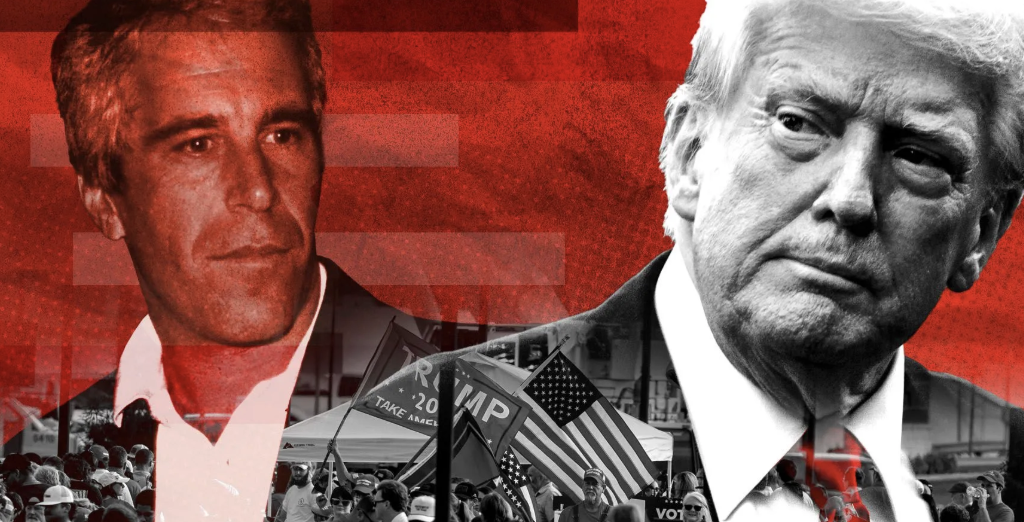
Bannon’s Call for ICE at Polls Sparks Controversy
On February 3, 2026, Steve Bannon, a key figure in the MAGA movement and former White House strategist, announced on his “War Room” podcast that ICE agents would be deployed to monitor polling stations during the upcoming November elections. This statement has prompted significant backlash, raising concerns over voter intimidation and the integrity of the electoral process.
Background and Context
Bannon’s remarks are part of a broader strategy by some Republican figures to tighten election security, a narrative that continues to be fueled by baseless claims of widespread voter fraud in the 2020 elections. The proposal to use ICE, an agency primarily focused on immigration enforcement, signals an aggressive approach to election oversight.
Media outlets like Newsweek and National Memo have reported that this strategy includes not only deploying federal agents but also banning mail-in ballots and implementing aggressive redistricting plans to solidify Republican influence in key states. This aligns with President Trump’s recent comments encouraging Republican control over elections in up to 15 states.
Public and Political Reaction
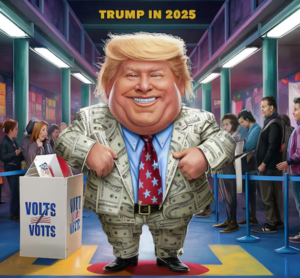
The public response to Bannon’s announcement has been swift and polarized. On platforms like Reddit, users expressed concerns about the legality and ethical implications of such measures. Many view this as a form of voter suppression, designed to intimidate and disenfranchise marginalized communities.
A recent Fox News poll indicates that approximately 60% of registered voters feel ICE’s tactics have become overly aggressive, reflecting a 10-percentage-point increase since mid-2025. This sentiment is echoed by both Democratic and some Republican lawmakers, particularly in light of recent ICE-related incidents in Minneapolis, which have further tarnished the agency’s reputation.
Legal and Expert Analysis
Legal scholars and voting rights advocates have long warned against the use of federal enforcement agencies at polling sites, arguing it constitutes voter intimidation. The SAVE Act and Executive Order 14248, which require proof of citizenship to register to vote, have also drawn criticism for potentially disenfranchising voters.
Experts like David Daley have flagged the potential deployment of armed forces, including the National Guard and ICE, as a means of intimidating Democratic voters, particularly in swing states. These tactics, they argue, could undermine the democratic process and erode voter confidence.
Market and Economic Implications
Despite the political turmoil, there have been no direct market reactions linked to Bannon’s statements. The most recent market volatility was observed on January 20, 2026, due to unrelated concerns over new tariffs proposed by President Trump. As such, financial markets appear to be more influenced by broader economic policies rather than election-related rhetoric at this time.
However, the potential for legislative and judicial challenges to these proposals could introduce uncertainty, impacting sectors sensitive to regulatory and political shifts.
Conclusion
As the 2026 midterm elections approach, the debate over election security and voter rights intensifies. Bannon’s call for ICE involvement at polling stations has fueled concerns over voter intimidation and the integrity of the electoral process. With public opinion increasingly critical of aggressive enforcement tactics, the political and legal landscape remains highly charged. Observers will be closely monitoring any developments, particularly potential legal challenges and shifts in public sentiment, as the year progresses.




Comments are closed.