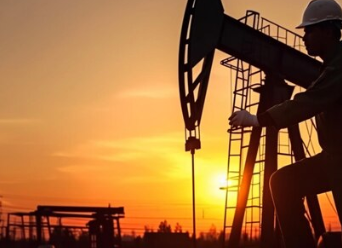
Asia’s Heavy Reliance on Middle East Energy
Asia is the most dependent region on oil and natural gas flows from the Middle East, with around 90% of all crude oil transiting the Strait of Hormuz destined for Asian markets. This strategic maritime chokepoint, handling approximately 20 million barrels of oil per day, is critical to global energy flows. Recent military conflicts involving the U.S. and Israel against Iran have severely disrupted these flows, causing significant concern for Asian economies.
China, the largest single recipient, receives 38% of all oil flowing through the Strait, underscoring its vulnerability. Similarly, about 82% of LNG exports from Qatar and the UAE are directed toward Asian buyers, with Qatar’s recent declaration of force majeure further exacerbating the situation. This disruption has halted production at the Ras Laffan complex, affecting nearly 20% of global LNG supply, most of which is destined for Asia.
Market Impact and Strategic Responses
The disruption has had immediate effects on market data and prices. Refining margins in Asia have soared to four-year highs due to feedstock shortages. Singapore’s refining margin proxy has surged to nearly $30 per barrel, while jet fuel and gas oil cracks have reached their highest levels since mid-2022. The Dutch TTF gas benchmark has increased by 50%, and Brent crude is trading toward $94 per barrel, reflecting fears of prolonged supply disruptions.
In response, Asian countries are taking strategic measures to mitigate the impact. Thailand has suspended crude and petroleum exports, while China has ordered major oil refiners to halt diesel and petrol exports to preserve domestic supply. Japan and South Korea are drawing down or reviewing strategic reserves, with Taiwan reporting sufficient reserves for March and contingency plans in place.
Expert Opinions and Future Outlook
Experts warn that Asia’s heavy reliance on Middle Eastern energy leaves the region highly exposed to prolonged disruptions. Zulfikar Yurnaidi from the ASEAN Centre for Energy highlighted the potential for rising oil and gas prices to grind global economic activity to a halt. Ryan Sweet of Oxford Economics noted that disruptions would significantly impact the export revenues and trade flows of Gulf countries intertwined with Asia and Europe.
June Goh from Sparta Commodities explained that the sharp rise in refining margins stems from the dependency on Middle East crude, which may take 1–2 months to replace via alternate sources. Data from Zero Carbon Analytics reaffirmed that around 20% of global oil and LNG passes through the Strait, heavily concentrated en route to Asia.
While some relief may come from diversions via pipelines from Saudi Arabia and the UAE, these provide limited relief compared to typical sea-transit volumes. The U.S. has proposed political risk insurance and naval escorts for tankers traversing Hormuz, aiming to stabilize the situation.
Conclusion and Forward-Looking Takeaway
As of March 7, 2026, the ongoing conflict in the Middle East poses a significant threat to Asia’s energy security. The virtual shutdown of the Strait of Hormuz and Qatar’s LNG halt have created a precarious situation for Asian economies heavily reliant on these energy flows. With oil and gas prices rising and strategic reserves being tapped, the region must navigate this crisis carefully to prevent further economic instability.
Moving forward, Asia’s focus will likely be on enhancing energy security and exploring alternative supply routes to mitigate similar risks in the future. The situation remains fluid, and stakeholders will need to monitor developments closely to adapt to changing dynamics.










Comments are closed.