Asian Stock Markets Tumble
Global stock markets experienced significant turmoil on March 9, 2026, as Asian indices recorded sharp declines driven by soaring oil prices and geopolitical tensions. The Nikkei 225 in Japan dropped over 6%, marking one of the steepest daily declines in recent history. South Korea’s KOSPI fell approximately 7%, with tech giants like Samsung Electronics and SK Hynix leading the losses. The Australian ASX 200 also suffered, falling 3.1%, its largest intraday decline since early April.
The sell-off was primarily attributed to a dramatic increase in oil prices, with WTI crude oil jumping about 22%. This surge in energy costs has heightened inflation fears globally, exacerbated by escalating geopolitical risks related to the ongoing conflict involving Iran. The financial markets are reacting to these developments with increased volatility, as investors reassess their portfolios in light of these new risks.
Impact on Global Markets
Beyond Asia, the ripple effects of the sell-off were felt in other global markets. US futures were down by 2.3%, reflecting the broader uncertainty and risk aversion among investors. Bond markets also responded, with US 2-year yields increasing by 5 basis points to 3.61%, and 10-year yields rising to 4.19%. Similar movements were observed in Australia and Europe, indicating a widespread expectation of rising inflation.
Earlier in the week, South Korea’s stock market had already been under pressure. On March 3, the KOSPI index plunged by about 7.24%, triggering circuit breakers and wiping out approximately $270 billion in market value. This was followed by another sharp decline on March 4, when the index fell over 12%, marking the worst single-day slide in its history. The volatility underscores the heightened sensitivity of global markets to geopolitical developments and economic indicators.
Bitcoin’s Resilience
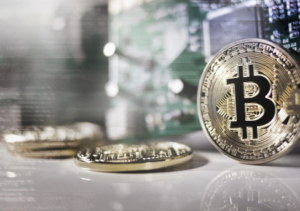
While traditional equity markets faced turbulence, Bitcoin demonstrated resilience. The cryptocurrency saw a modest increase, trading at approximately $67,579, up nearly 1% over the past 24 hours. Trading volume surged by 53% to about $37.9 billion, indicating renewed bullish sentiment among investors. Bitcoin’s performance contrasts sharply with the broader market downturn, suggesting a potential decoupling of digital assets from traditional financial markets.
The rise in Bitcoin’s price is partly attributed to improving geopolitical sentiment, with hopes for a resolution in the US-Iran conflict. Signals from diplomatic channels have fueled optimism, encouraging investors to seek refuge in digital currencies amid the ongoing uncertainty in the stock markets.
Market Outlook and Investor Behavior
Amid the current volatility, market strategists advise caution but also highlight potential opportunities. Experts suggest that the recent market swings, driven by oil price shocks and geopolitical tensions, may be temporary. As such, investors are encouraged to look beyond the immediate turmoil and consider long-term market fundamentals.
Despite the recent sell-off, bargain hunters have occasionally stepped in, as evidenced by the rally in South Korean markets on Monday. However, the use of circuit breakers in South Korea underscores the severity of the situation and the need for vigilance among market participants.
Bitcoin’s relative stability during this period of market stress highlights its potential as a hedge against traditional market risks. As digital assets continue to evolve, their role in diversified portfolios may become increasingly significant, particularly in times of economic and geopolitical uncertainty.
Conclusion and Forward-Looking Takeaway
In summary, March 9, 2026, was a tumultuous day for global markets, with Asian indices experiencing significant declines due to surging oil prices and geopolitical risks. However, Bitcoin’s rise offers a glimpse of cautious optimism amid the broader market turmoil. Investors should closely monitor developments in oil prices, geopolitical tensions, and bond yields to navigate the current market landscape effectively.



Comments are closed.