
Saudi Supply Hopes Outweigh Geopolitical Risk
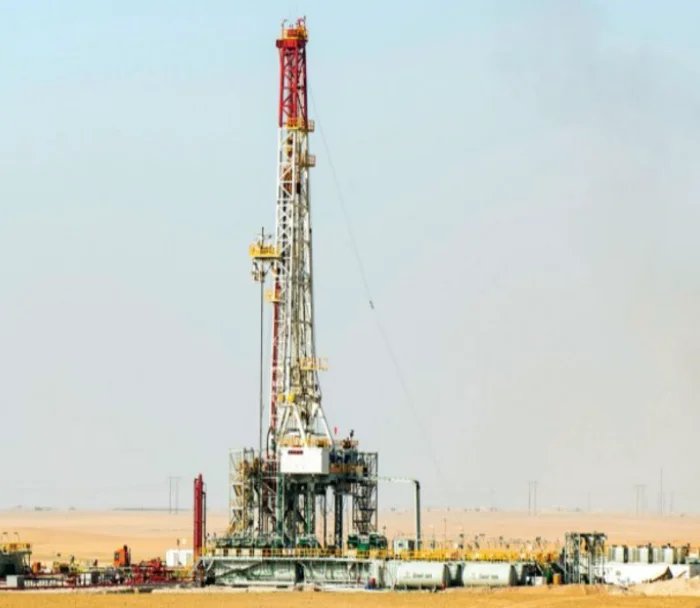
Oil prices fell on Friday, 18 September 2026, as the prospect of additional Saudi crude supplies helped ease concerns over fresh Houthi attacks on shipping in the Red Sea. Brent crude for November delivery slipped below $90 a barrel in London trading, while West Texas Intermediate (WTI) dropped toward $85. The move came despite reports of new missile strikes by Houthi forces on commercial vessels, which in previous months would have typically sparked a rally.
The market’s muted reaction to the strikes underscores a shift in focus: traders are increasingly pricing in a looser supply-demand balance as Saudi Arabia signals a willingness to raise output in the coming months. According to industry sources, the kingdom is preparing to add several hundred thousand barrels per day to global markets, potentially easing the tightness that has supported prices for much of 2026.
Why The Supply Glut Narrative Is Gaining Traction
Saudi Arabia’s production strategy has been closely watched since the OPEC+ alliance began unwinding voluntary cuts earlier this year. In August 2026, the group agreed to gradually restore 2.2 million barrels per day (bpd) of supply by the end of 2027. The first tranche of increases, about 400,000 bpd, is expected to hit the market in October. That prospect has been enough to cap rallies, even as geopolitical tensions flare.
Meanwhile, demand-side indicators have softened. Recent data from China, the world’s largest crude importer, showed a slowdown in refinery throughput for a second consecutive month, raising questions about the strength of Asian demand. In the US, gasoline inventories rose unexpectedly last week, according to the Energy Information Administration (EIA), adding to bearish sentiment.
“The market is realizing that supply disruptions from the Red Sea are manageable and that OPEC+ has plenty of spare capacity to offset any short-term shocks,” said a commodity strategist at a major bank, speaking on condition of anonymity. “The bigger question is whether demand can keep up with the returning barrels.”
Who Wins And Who Loses If Prices Keep Falling
For consumers, lower oil prices are a tailwind. Gasoline prices at the pump in the US have already edged down to an average of $3.45 per gallon, the lowest since May 2026. This could provide modest relief to household budgets and ease inflationary pressures, potentially influencing Federal Reserve policy. The Fed is scheduled to meet on 21-22 October 2026, and a sustained drop in energy costs could give policymakers more room to consider rate cuts.
On the flip side, oil producers face margin pressure. Shares of major integrated oil companies such as ExxonMobil (XOM) and Chevron (CVX) have declined 2-3% this week. Smaller shale producers, which often operate with higher breakeven costs, could be forced to curtail drilling activity if WTI stays below $80 for an extended period. The rig count in the Permian Basin has already plateaued after a strong run earlier this year.
For Saudi Arabia, the calculus is more complex. While higher output volumes can protect market share, they also require higher prices to balance the kingdom’s budget. The International Monetary Fund (IMF) estimates Saudi Arabia needs Brent at around $95 per barrel to break even. If prices fall much further, Riyadh may reconsider its strategy, but for now, the supply signal is clear.
What To Watch: Inventory Data And OPEC+ Signals
Traders will scrutinize the next round of weekly inventory data from the EIA, due on Wednesday, 23 September 2026. A larger-than-expected build in crude stocks could accelerate the selloff, potentially pushing Brent toward $85. Conversely, any sign of stronger demand or a sudden escalation in the Red Sea could spark a rebound.
The key date to mark is the OPEC+ ministerial meeting on 4 October 2026, where members will decide whether to proceed with the next phase of production increases. If the group signals a pause or a smaller hike, oil prices could find a floor. But if they confirm the planned ramp-up, the bearish trend may have further to run.
For now, the market’s message is unmistakable: supply optimism is trumping geopolitical risk. Whether that holds depends on the data and the decisions made in the coming weeks.







Comments are closed.