

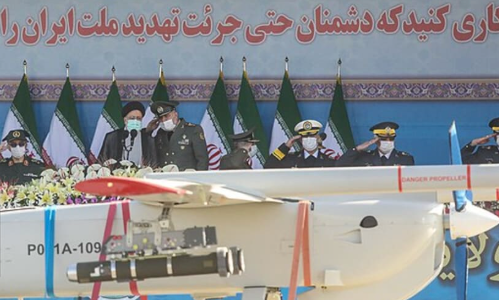
Escalation in Hormuz
Recent tensions between the United States and Iran have led to a significant decrease in tanker traffic through the Strait of Hormuz, a critical passage for global oil and gas shipments. Just two weeks ago, the strait was bustling with activity, but the situation has rapidly deteriorated following renewed missile exchanges between the two nations. President Trump has declared an end to the ceasefire, labeling Iranian leadership with derogatory terms that underscore the escalating animosity.
As of earlier today, reports indicate that only one tanker was actively navigating these waters. This solitary vessel was a sanctioned very large crude carrier, which managed to pass through the Iran-controlled region alongside an Iranian container ship. The reduced traffic starkly contrasts the earlier days when dozens of tankers would traverse this vital maritime route.
Impact on Oil Prices
The disruption in tanker traffic has raised concerns regarding oil supply stability, which is likely to influence market prices. Historically, the Strait of Hormuz has been pivotal in the transportation of approximately 20% of the world’s crude oil. Any interruption in this flow can lead to significant price fluctuations, impacting both global markets and consumer prices.
As tensions rise, traders are closely monitoring crude oil futures prices, which have shown signs of volatility. At the time of writing, West Texas Intermediate (WTI) crude is trading around $82 per barrel, reflecting a potential upward trend as concerns about supply security mount. Analysts suggest that prolonged disruptions could see prices breach $90 per barrel if the conflict escalates further.
Global Economic Implications
The current geopolitical climate poses broader implications for the global economy. Countries heavily reliant on oil imports are particularly vulnerable to price surges. Furthermore, any sustained conflict could disrupt international trade beyond oil, impacting goods and services globally.
In light of this, market analysts are advising investors to brace for increased volatility not just in oil markets but across various commodities as geopolitical tensions continue to escalate. The uncertainty surrounding the U.S.-Iran relationship could also lead to shifts in energy policy and alliances in the Middle East, further complicating the landscape.
Future Outlook
Looking ahead, the situation remains fluid. Diplomatic efforts to de-escalate tensions have so far failed to yield significant results, leaving traders and analysts in a state of heightened alert. The potential for further military actions or retaliatory measures from either side looms large, prompting many to consider hedging strategies against oil price fluctuations.
As the global markets digest these developments, stakeholders are advised to keep a close eye on diplomatic channels and military movements, as these factors will significantly influence market conditions. The resilience of the oil markets will be tested in the coming weeks as traders respond to the ongoing geopolitical challenges.
Conclusion
The recent halt in tanker traffic through the Strait of Hormuz underscores the fragility of global oil supply chains amid rising geopolitical tensions. With prices likely to react to any further escalation, investors and market participants must remain vigilant. Understanding the dynamics of this situation will be crucial as the markets navigate this unpredictable environment.