
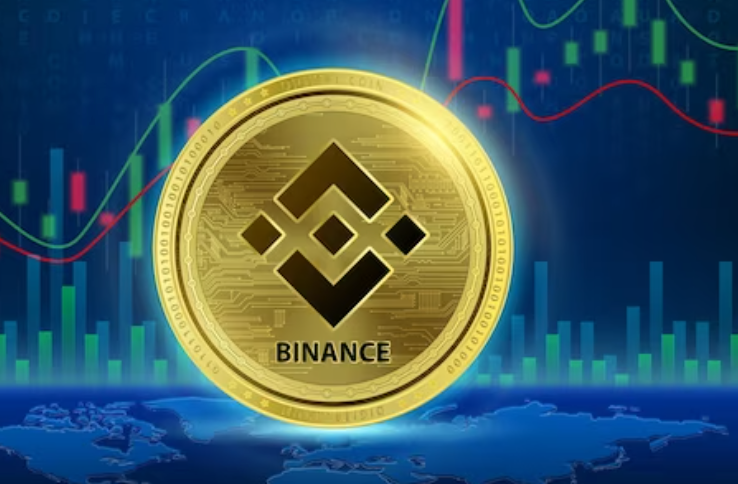
Major Exchanges Launch Probe Into Suspicious Token Rally
Leading cryptocurrency exchanges Binance and Bitget have initiated investigations into the dramatic price action of the RAVE token, which experienced an unprecedented surge of approximately 4,500% before a sharp correction. The probe comes amid growing allegations from the crypto community that the rally may have been orchestrated by insiders with advance knowledge, raising serious questions about market manipulation in the decentralized finance (DeFi) space.
According to blockchain analytics reviewed by investigators, nearly 90% of RAVE’s total token supply was found to be concentrated in just three digital wallets prior to the explosive price move. This extreme concentration of ownership is a significant red flag in cryptocurrency markets, as it provides a small group of holders with disproportionate control over an asset’s price and liquidity.
The timing of large token movements has drawn particular scrutiny. Millions of RAVE tokens were transferred from these concentrated wallets to major exchanges immediately before the price began its dramatic ascent. This pattern suggests potential front-running, where insiders position themselves to profit from anticipated price movements before the broader market is aware.
The Anatomy of a Suspicious Rally
RAVE’s price trajectory followed a classic pattern often associated with coordinated pumps. The token, which had been trading with minimal volume and liquidity, suddenly attracted massive buying pressure across multiple exchanges. Social media channels and crypto forums simultaneously saw coordinated promotion of the token, creating a feedback loop of hype and FOMO (fear of missing out).
Blockchain data reveals that the three wallets controlling the vast majority of tokens began distributing their holdings during the price peak. This sell-off coincided with the token’s rapid decline, leaving later buyers with significant losses. The entire cycle—from accumulation to promotion to distribution—appears to have unfolded over a remarkably compressed timeframe.
Market analysts note that such extreme volatility in low-market-cap tokens is not uncommon in crypto markets, but the scale of the RAVE movement and the specific wallet patterns have triggered formal exchange responses. Both Binance and Bitget have systems to detect unusual trading activity, and their public acknowledgment of an investigation indicates the seriousness of the concerns.
Why Exchange Scrutiny Matters
The involvement of major exchanges represents a critical development for cryptocurrency market integrity. Binance, as the world’s largest crypto exchange by trading volume, and Bitget, a significant derivatives platform, have substantial resources and data access for forensic analysis. Their findings could influence how similar tokens are listed and monitored across the industry.
This incident occurs during a period of increased regulatory attention toward cryptocurrency markets globally. Securities regulators in multiple jurisdictions have been focusing on market manipulation in digital asset trading, particularly around low-float tokens with concentrated ownership. The RAVE case presents a textbook example of the vulnerabilities that regulators frequently cite.
For retail investors, the investigation serves as a stark reminder of the risks associated with low-liquidity altcoins. The promise of extraordinary returns often comes with equally extraordinary risks, including potential manipulation by well-positioned insiders. The concentration of token supply fundamentally undermines the decentralized ethos that many crypto projects promote.
Market Context and Regulatory Implications
The cryptocurrency market has seen numerous similar incidents throughout its history, from the 2017 ICO boom to more recent memecoin phenomena. However, the sophistication of blockchain analytics has improved dramatically, allowing exchanges and investigators to trace token movements with greater precision than ever before.
This improved transparency creates both challenges and opportunities for market integrity. While manipulators may attempt to hide their activities through complex wallet structures, blockchain’s public ledger ultimately provides a permanent record of all transactions. The RAVE investigation will test how effectively exchanges can use this data to identify and prevent abusive practices.
The outcome could influence future exchange listing policies, particularly for tokens with highly concentrated initial distributions. Some platforms already require minimum decentralization thresholds or lock-up periods for team and investor tokens. The RAVE incident may prompt exchanges to tighten these requirements further.
Broader Impact on Crypto Markets
Beyond the specific case of RAVE, this investigation touches on fundamental questions about fairness and transparency in cryptocurrency markets. The decentralized nature of many projects creates inherent tensions with traditional market oversight mechanisms. Exchanges increasingly find themselves serving as gatekeepers and watchdogs, roles that some in the crypto community resist.
The timing is particularly sensitive as cryptocurrency seeks broader institutional adoption. Professional asset managers and corporate treasuries considering crypto investments frequently cite market manipulation concerns as a barrier to entry. High-profile cases of apparent manipulation reinforce these concerns and potentially slow institutional adoption.
For the DeFi sector specifically, the RAVE situation highlights the challenges of creating truly decentralized systems. Even when trading occurs on decentralized exchanges (DEXs), concentrated token ownership can undermine market fairness. The solution may require both technical innovations in token distribution and cultural shifts in project launch practices.
Summary and Forward Outlook
The Binance and Bitget investigations into RAVE’s 4,500% surge represent a significant test case for cryptocurrency market integrity. With 90% token concentration in three wallets and coordinated exchange deposits before the rally, the pattern suggests potential insider orchestration. Exchange findings could influence future listing policies and regulatory approaches to token distribution.
Market participants should expect increased scrutiny of tokens with highly concentrated ownership structures. The incident reinforces the importance of thorough due diligence before investing in low-liquidity altcoins. As blockchain analytics improve, similar investigations may become more common, potentially creating a deterrent effect against obvious manipulation attempts.
The ultimate impact will depend on what actions exchanges take following their investigations. Options range from token delisting and wallet blacklisting to improved monitoring systems and educational initiatives. Whatever the outcome, the RAVE case has already highlighted persistent vulnerabilities in cryptocurrency markets that the industry must address to achieve sustainable growth.



Comments are closed.