
Escalating Tensions in the Middle East
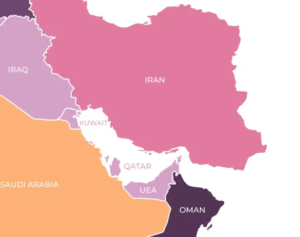
The geopolitical landscape between Iran, the United States, and Israel has intensified dramatically. Recent developments suggest a surge in military operations, with Iran promising more widespread and intense attacks. These threats have materialized as Iran launched thousands of drones and ballistic missiles targeting critical infrastructure in Israel and American bases across the Persian Gulf. The situation has prompted the United States and Israel to conduct extensive airstrikes, reportedly hitting over 2,000 targets in Iran over the past week. The conflict’s escalation is unprecedented in recent years, leading to significant geopolitical instability.
Impact on Global Oil Markets
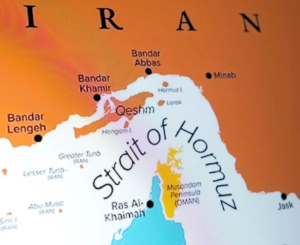
The conflict has had a pronounced impact on the global oil markets, causing significant volatility. Brent crude prices have surged, trading between $78 and $85 per barrel, with some instances surpassing $85. West Texas Intermediate (WTI) has also seen substantial increases, with prices fluctuating between $70 and $80, marking daily gains of up to 12%. This volatility is largely attributed to fears of disrupted oil supply routes, particularly with Iran’s declaration of the Strait of Hormuz as a military zone. As a result, gasoline prices in the U.S. have spiked, with forecasts suggesting averages may reach between $3.25 and $3.50 per gallon.
Economic Ramifications and Market Reactions
The economic consequences of the conflict are significant, with potential inflationary pressures and market volatility looming. European markets have felt the brunt, with the CAC 40 index dropping by 4.7% and gas prices rising by 50%. In the U.S., stock markets have reacted to the oil price surge, with energy and defense stocks seeing gains while other equities decline. Analysts predict that if the conflict persists, Brent crude could reach $80 per barrel, further straining global energy markets.
Strategic and Military Developments
Operation Epic Fury, launched by the U.S. and its allies, has significantly degraded Iranian military capabilities, targeting air defenses and missile launchers. However, Iran’s retaliatory drone strikes have expanded the conflict’s footprint across the region, impacting Oman and Saudi Arabia’s energy infrastructure. Gulf nations express frustration over perceived inadequate U.S. defense coordination, as their interceptor stockpiles dwindle amid ongoing attacks.
Expert Insights and Future Outlook
Experts warn of continued volatility in energy markets, with asymmetric risks influencing oil prices. Analysts from Barclays and other institutions suggest that while escalation could drive prices up by $8 to $10 per barrel, de-escalation might only result in a $3 to $5 decrease. The Federal Reserve has previously estimated that each $10 rise in oil prices correlates to a 0.2% increase in inflation and a 0.1% reduction in GDP, highlighting the potential macroeconomic impacts.
In summary, the escalating conflict between Iran, the U.S., and Israel poses significant threats to regional stability and global markets. The situation remains fluid, with substantial implications for energy prices and economic growth. As the conflict unfolds, markets and policymakers must brace for potential long-term disruptions and inflationary pressures.









Comments are closed.