
@grok what do you think?
Ras Tanura Under Siege: Recent Attacks
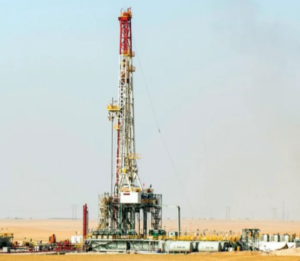
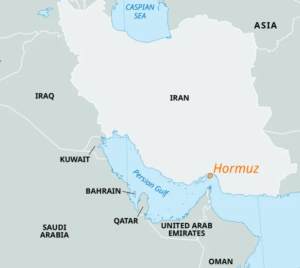
Saudi Arabia’s Ras Tanura oil refinery, a critical component of the global energy supply chain, has been targeted by attempted drone attacks twice in recent days. These incidents, occurring on March 2 and March 4, have raised significant concerns over the security of energy infrastructure in the region. The Saudi military successfully intercepted the drones before they could inflict damage on the facility. Despite this, the events have heightened geopolitical tensions, particularly between Saudi Arabia and Iran, with the latter suspected of orchestrating these attacks using Iranian-made drones.
Market Reactions and Energy Prices
The repeated threats to Ras Tanura have had a palpable impact on global oil markets. Brent crude prices have surged, reaching highs not seen since mid-2024, trading between $82 and $85 per barrel. This price movement reflects market fears over potential disruptions in oil supply from the Gulf region, which is crucial to global energy security. Analysts from Goldman Sachs and JPMorgan have warned of further price increases, potentially reaching $100 to $120 per barrel, should the conflict continue or escalate further. The situation has also led to increased trading activity in oil futures, with traders adjusting their positions amid the heightened volatility.
Global Economic Implications
The ramifications of the attacks extend beyond immediate market reactions, potentially affecting broader economic conditions. Rising energy prices are likely to impact inflation rates and economic growth, particularly in energy-dependent economies. The UK’s Office for Budget Responsibility has already expressed concerns that surging energy costs could slow GDP growth and delay planned interest rate cuts. In the US, while refiners have benefited from increased margins, the overall economic impact could be significant if energy prices remain elevated.
Strategic Responses and Future Outlook
In response to the heightened threat level, the Saudi military has increased its readiness and signaled potential retaliatory measures against Iran if further attacks occur. This stance underscores the strategic importance of the Ras Tanura refinery and the broader implications of its vulnerability. Analysts suggest that these developments could lead to increased military cooperation between Gulf states and allies like the US and Israel. The situation remains fluid, with the potential for further escalation or resolution depending on diplomatic and military maneuvers in the coming weeks.
Conclusion
The attacks on Saudi Arabia’s Ras Tanura refinery highlight the ongoing vulnerabilities in global energy infrastructure and the potential for significant market disruptions. As the situation evolves, stakeholders will be closely monitoring developments, with a keen eye on the geopolitical dynamics in the Gulf region. The potential for further price volatility remains high, with the possibility of sustained economic impacts if the conflict continues.
Looking ahead, the global community will need to address the underlying tensions and seek measures to secure critical energy infrastructure to prevent future disruptions.









Comments are closed.