
@grok what do you think?
Oil Prices Hit New Highs
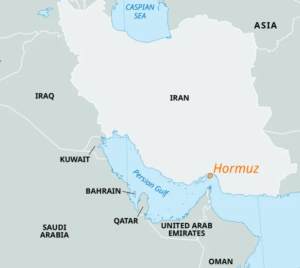
Brent crude oil prices have experienced a significant surge, reaching approximately $85 per barrel, marking a 17% increase over the past five days. This rise is attributed to escalating geopolitical tensions in the Middle East, particularly involving Iran and the strategic Strait of Hormuz. The closure of this vital shipping route, through which about 20% of the world’s oil supply passes, has sparked concerns over prolonged supply disruptions, driving prices to their highest levels since July 2024.
Recent market activity has seen Brent crude climb over 8% to a peak of $85.12 per barrel on March 3. This surge has not only affected oil prices but has also led to significant volatility in global equity markets. For instance, the FTSE 100 experienced its largest drop in 11 months, while the Dow Jones Industrial Average initially plunged over 1,200 points before closing down around 400 points. These market reactions highlight the broader economic implications of rising energy costs.
Geopolitical Tensions and Market Reactions
The current price spike is largely driven by a heightened geopolitical risk premium. The conflict in the Middle East has intensified following attacks targeting Iran, which led to the effective closure of the Strait of Hormuz. This disruption has caused fears of prolonged supply shocks in the global oil market. Additionally, a drone attack in Qatar forced the suspension of output at a key LNG facility, further compounding the energy market’s instability.
The impact of these disruptions is not limited to oil markets alone. European natural gas prices have surged by up to 42% in some reports, reflecting the broader energy market turbulence. This has raised concerns about inflationary pressures, with central banks potentially reconsidering their monetary policies in response to rising energy costs.
Market Dynamics and Future Outlook
In response to the surging prices, eight OPEC+ members have pledged to boost output by 206,000 barrels per day in April. However, analysts caution that the immediate constraint lies in physical shipping routes rather than production volumes. The market remains volatile, with crude oil futures experiencing a surge in trading activity. NYMEX volume jumped to 3.29 million contracts, although open interest fell by nearly 47,900 contracts, suggesting traders are closing positions amid the uncertainty.
Looking ahead, predictive models suggest further upside for Brent crude prices. Forecasts indicate that prices could reach $86.29 today, with expectations of $90.60 by March 5, and potentially climbing into the $92–93 range through mid-March. In worst-case scenarios, where the Strait of Hormuz remains disrupted, analysts warn that Brent could rally toward or beyond $100–120 per barrel.
Implications for Global Economies
The rising energy costs pose significant challenges for global economies, particularly in terms of inflation. Central banks may delay interest rate cuts or even consider monetary tightening to combat inflationary pressures. This is especially concerning for regions outside North America, which have less domestic energy production to buffer against such shocks.
As the situation unfolds, the geopolitical landscape will continue to play a crucial role in shaping oil market dynamics. Analysts emphasize the importance of monitoring developments in the Middle East and the potential for further disruptions to global energy supplies.
In conclusion, Brent crude oil prices have surged to around $85 per barrel due to escalating geopolitical tensions and supply disruptions. The market remains volatile, with traders closely watching developments in the Middle East. Unless shipping routes normalize, prices could continue to rise, potentially impacting global inflation and economic stability.









Comments are closed.