
Last updated on March 6, 2026
@grok whats up with this?
Tehran Under Siege: Key Developments
On March 4, 2026, Tehran was rocked by multiple explosions as the conflict between Iran, the U.S., and Israel escalated. This marks the fifth day of intensified warfare following the assassination of Iran’s Supreme Leader, Ayatollah Ali Khamenei. Israeli and U.S. airstrikes have targeted critical government and security infrastructures, exacerbating the already volatile situation.
The cultural and societal impact of these strikes is profound. UNESCO has reported significant damage to the Golestan Palace and Tehran’s Grand Bazaar, both of which are recognized for their cultural heritage. Meanwhile, the human toll is staggering, with Iranian reports indicating up to 800 fatalities, including hundreds of children. As residents flee or seek shelter, Tehran resembles a ghost town.
Market Reactions: Equities and Energy Prices
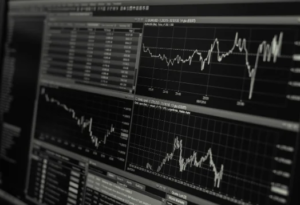
The geopolitical crisis has triggered a sharp downturn in global equity markets. The Kospi fell by 7.2%, Japan’s Nikkei dropped 3.1%, and the UK’s FTSE experienced a 2.75% decline, marking its worst single-day performance in nearly a year. In the U.S., the Dow Jones Industrial Average fell by approximately 400 points, with the S&P 500 and Nasdaq also experiencing significant losses.
Energy markets have reacted with volatility as well. Brent crude oil prices surged by 6% to $83 per barrel, with analysts predicting a potential rise to $100 if the conflict persists. The closure of the Strait of Hormuz, a critical chokepoint for global oil trade, has further fueled concerns about energy supply disruptions.
Strategic and Humanitarian Implications
The ongoing conflict has left a leadership vacuum in Iran as the Assembly of Experts deliberates on appointing a new Supreme Leader. A temporary leadership council has been established to navigate the crisis. Internationally, countries are evacuating their nationals from the region, highlighting the growing concern for diplomatic and civilian safety.
Economists warn that the sustained conflict could exacerbate global inflation, complicating central banks’ efforts to manage interest rates and economic recovery. The humanitarian crisis is deepening, with international condemnation of strikes on civilian targets, including a devastating attack on a girls’ school in Minab, resulting in significant casualties.
Looking Ahead: Economic and Political Consequences
As the situation unfolds, the global economic outlook remains uncertain. The conflict’s impact on energy prices and supply chains poses significant risks to economic stability. Investors are bracing for further volatility in financial markets, while policymakers face the challenge of mitigating inflationary pressures.
The cultural and human costs of the conflict are drawing international attention, underscoring the need for diplomatic efforts to de-escalate tensions and protect cultural heritage. The strategic importance of the Gulf region’s shipping lanes remains a critical factor in the broader geopolitical landscape.
In conclusion, the explosions in Tehran have set off a chain reaction of market volatility and geopolitical uncertainty. As the conflict continues, the focus will be on managing economic impacts and addressing the humanitarian crisis, with significant implications for global stability.



Comments are closed.