
# XRP $XRP #cryptocurrency #blockchain #Ripple #XRPL #DeFi #digitalassets #speculation #finance #crypto #investing #monetarypolicy
What’s the Real Value of XRP? Ripple’s CTO Reveals Unexpected Pricing Factors
In a recent discussion, Ripple’s Chief Technology Officer, David Schwartz, addressed the intriguing question of how XRP derives its value. He emphasized that understanding XRP’s worth requires a departure from conventional views of cryptocurrency as akin to traditional assets. Instead of leaning on marketing jargon such as “instant settlement” or “global payments,” Schwartz focused on critical elements like power dynamics, control, and incentive structures.
XRP: More Than Just a Token
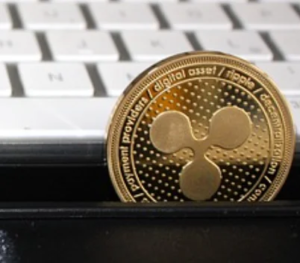
Schwartz reframed XRP’s purpose, arguing that the XRP Ledger (XRPL) is designed for users who prefer transactions without intermediaries. He bluntly posed a question: would you rather use a blockchain that allows you to be your own bank without middlemen taxing your transactions? If that appeals to you, XRP is the answer. Unlike other assets on the ledger, which are essentially IOUs from various issuers, XRP stands out as a unique, counterparty-free asset. It operates without an issuer, allowing seamless transfers between accounts without permission or risk of freeze or seizure.
XRP’s unique status is not merely cosmetic; it carries significant economic implications. Schwartz asserts that XRP’s role on XRPL guarantees it will capture some value generated from transactions on the ledger. To grasp this assertion, one must understand how most blockchains typically capture value. The prevailing strategy involves explicit extraction through fees, staking, and other mechanisms. Schwartz emphasizes that XRPL does not operate on this premise. Instead, he describes it as a public good that does not impose taxes on its users.
The Economic Implications of Value Capture
Drawing an analogy, Schwartz likens XRPL to eBay, which facilitates transactions between buyers and sellers while minimizing costs. In this analogy, users should prioritize low transaction costs over enriching platform investors. Similarly, XRPL aims to empower users without imposing additional fees, distinguishing itself from many other blockchain designs.
However, this raises a critical question: if XRPL doesn’t extract value from its users, how does XRP appreciate? Schwartz offers insight by explaining that XRP’s unique position as a universal, non-freezable settlement asset creates demand as XRPL gains importance as infrastructure. The ledger’s utility does not need to be taxed for XRP to hold value; its significance is intrinsically linked to the ledger’s potential.
The Role of Speculation in XRP’s Price
While Schwartz acknowledges that XRP’s special role could drive demand, he candidly states that the current market behavior primarily hinges on speculation about future price movements rather than present utility. He highlights that much of the value attributed to cryptocurrencies stems from anticipated future scenarios. For instance, the speculation surrounding Bitcoin often centers on the potential for companies to allocate a portion of their treasury to the asset, thereby driving its price.
This perspective challenges the notion that XRP’s value is solely based on current transaction volumes. Schwartz argues that crypto markets are reflexive; investors buy assets based on the belief that others will follow suit, creating a cycle of speculation. He also contends that market participants continuously reassess probabilities rather than simply waiting for defined outcomes. Consequently, even if the cryptocurrency landscape evolves significantly, today’s values may appear negligible compared to future projections.
In conclusion, understanding XRP’s value requires a nuanced approach that considers its unique attributes and the speculative nature of the cryptocurrency market. As XRP continues to trade at approximately $2.48, it remains vital for investors to grasp the underlying factors that influence its price.
For more insights into cryptocurrencies, visit our crypto section. If you’re looking to invest, check out Binance for more opportunities.



Comments are closed.