
$RSX $BTC $XOM
#Putin #Trump #Russia #Ukraine #Ceasefire #Geopolitics #Stocks #Crypto #Oil #MarketImpact #Finance #Investing
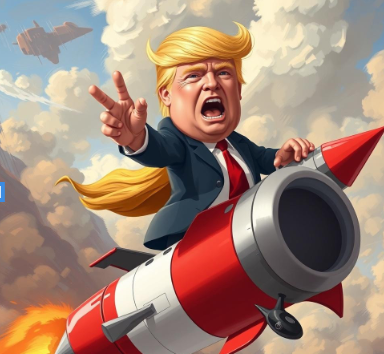
U.S. President Donald Trump and Russian President Vladimir Putin are preparing for a crucial discussion regarding Russia’s demands for a ceasefire deal in Ukraine. The proposed agreement, which includes a 30-day suspension of hostilities, is expected to be a key point of debate as tensions between Russia and Western nations continue to shape global markets. Investors are closely monitoring the developments, as any shifts in the geopolitical landscape could have significant consequences for stocks, commodities, and cryptocurrencies. The talks come at a time when global financial markets are already navigating monetary policy shifts, inflation concerns, and energy price volatility, making the outcome of this discussion particularly impactful.
A diplomatic resolution in Ukraine would likely have immediate effects on key asset classes. Energy markets, in particular, have been affected by supply disruptions and sanctions related to the conflict. Crude oil and natural gas prices spiked following the onset of the war, benefiting companies like ExxonMobil ($XOM) and other major players in energy markets. If an agreement is reached, oil prices could see some stabilization or even a pullback as concerns over sanctions-driven supply shortages ease. At the same time, Russian-linked financial instruments, such as the VanEck Russia ETF ($RSX), could experience a sharp rebound if investors anticipate a reduction in sanctions or an improving economic outlook for Russia.
Cryptocurrency markets have also shown sensitivity to geopolitical risks, with Bitcoin ($BTC) often acting as a risk asset in times of uncertainty. Since the start of the war, digital assets have been used as a means to bypass financial restrictions and facilitate cross-border transactions, adding to their relevance in the ongoing crisis. A ceasefire might reduce Bitcoin’s use as a financial bridge in the conflict, potentially leading to short-term volatility in crypto markets. However, broader market sentiment could improve if geopolitical risks recede, creating a bullish environment for both traditional and digital assets. Given the heightened investor focus on global stability, the crypto sector will likely continue to react in correlation with overall risk sentiment.
As the meeting approaches, financial markets remain on alert for signals that could indicate the direction of future policy responses. A temporary pause in fighting could support a slight relief rally for risk assets, but any conditions attached to the ceasefire agreement will be critical in determining the sustainability of market optimism. If the deal lacks commitment or Russia demands excessive concessions, investor sentiment could remain fragile, prolonging volatility across equities, commodities, and digital assets. Additionally, global bond yields and currency exchange rates may see adjustments as markets assess the likelihood of long-term de-escalation. Ultimately, the trajectory of financial markets will be shaped not just by the ceasefire discussions, but also by broader economic realities and ongoing geopolitical maneuvers by major global players.








Comments are closed.